 Add to Pinterest
 There's something about the smell of broccoli hitting hot butter that instantly transports me to my grandmother's kitchen on a rainy Tuesday afternoon. She'd simmer this soup while I sat at her counter doing homework, and by the time she ladled it into bowls, the whole house smelled like comfort. The first spoonful was always a revelation—how something so simple could taste so luxuriously creamy and rich. Years later, I realized she'd unlocked the secret to making vegetables disappear into silk, and I've been chasing that moment ever since.
I made this for my partner during his first cold of the season, and he drank two full bowls while sitting by the window with a book. Watching someone genuinely enjoy something you've made—not out of politeness but because they keep coming back for more—that's when you know the recipe works. He asked if I'd frozen some ahead, and I realized I'd stumbled onto something worth repeating.
Ingredients
- Fresh broccoli florets: Use a large head with tight, deep green crowns—they'll give you that vibrant color and none of that sulfurous bite that overcooked broccoli brings.
- Onion and carrot: These two are your flavor foundation, adding sweetness and body as they soften into the broth.
- Garlic: Mince it fine so it dissolves completely into the background, adding warmth without announcement.
- Vegetable broth: Quality matters here since it's your main seasoning voice—taste yours first and adjust salt accordingly.
- Heavy cream: This is where the magic happens, turning a simple broth into something you'll want to savor rather than rush through.
- Butter and olive oil: The combination gives you richness from the butter and a subtle fruity note from the oil—use both.
- Salt, pepper, and nutmeg: The nutmeg is optional but transforms the soup into something unexpectedly sophisticated.
Tired of Takeout? 🥡
Get 10 meals you can make faster than delivery arrives. Seriously.
One email. No spam. Unsubscribe anytime.
Instructions
- Start your flavor base:
- Heat the butter and olive oil together in a large pot over medium heat, then add your diced onion, carrot, and minced garlic. You'll know they're ready when the kitchen fills with that sweet, mellow aroma—about 4 to 5 minutes.
- Introduce the broccoli:
- Stir in the chopped broccoli florets and let them toast for a couple of minutes in the hot oil, which deepens their flavor before they hit the liquid.
- Simmer until tender:
- Pour in your vegetable broth, bring it to a boil, then lower the heat, cover, and let it simmer gently for 15 to 18 minutes until the broccoli breaks apart when you press it with a spoon.
- Blend into velvet:
- Remove from heat and use your immersion blender to blend the soup until completely smooth, working in batches if you're using a countertop blender. Listen for the sound to change as the broccoli transforms into cream.
- Finish with cream and seasoning:
- Stir in the heavy cream and a pinch of nutmeg, then taste and adjust your salt and pepper. Gently reheat over low heat if needed, but never let it boil once the cream is in—that's when things can break.
- Serve with grace:
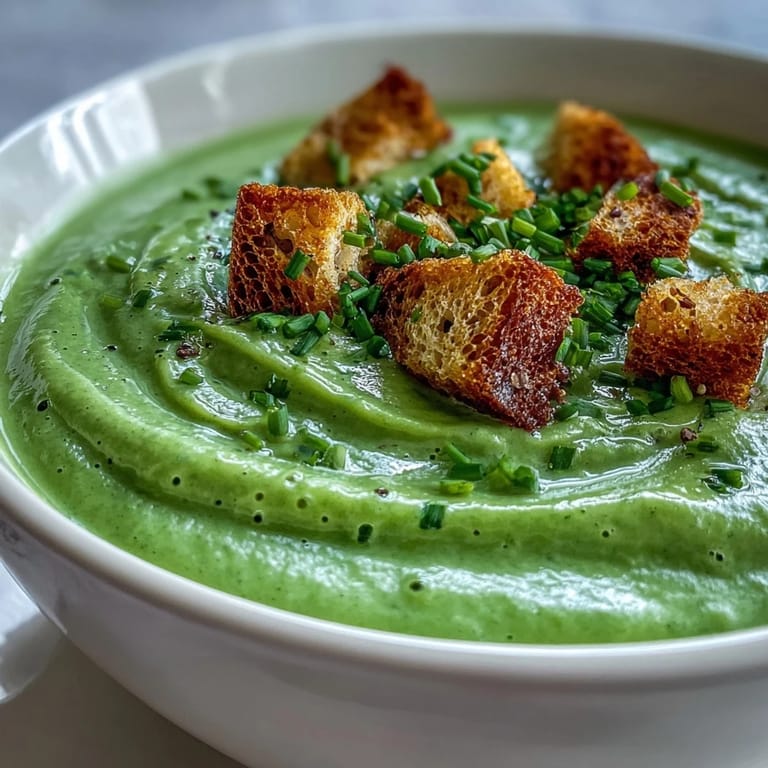
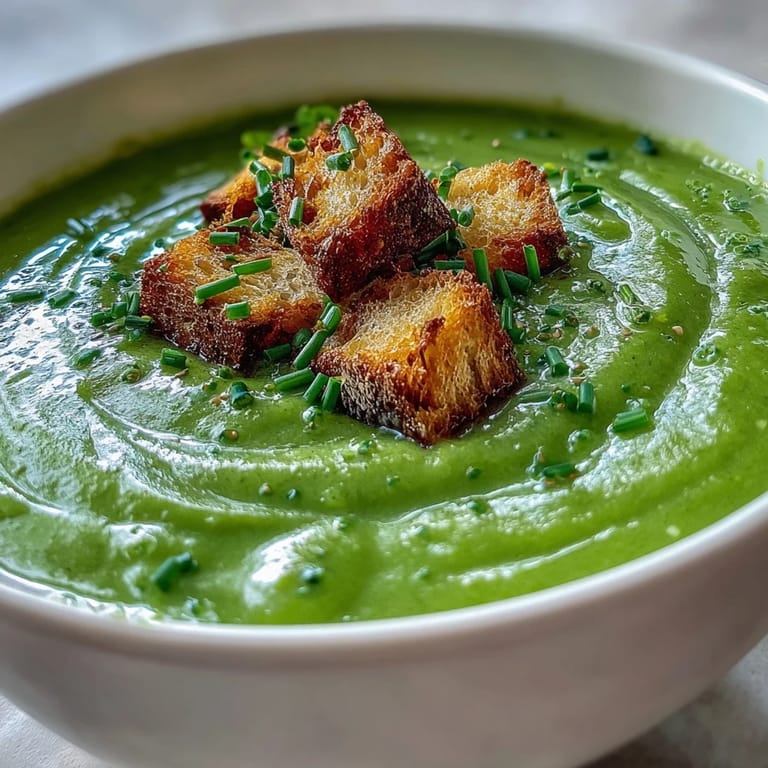
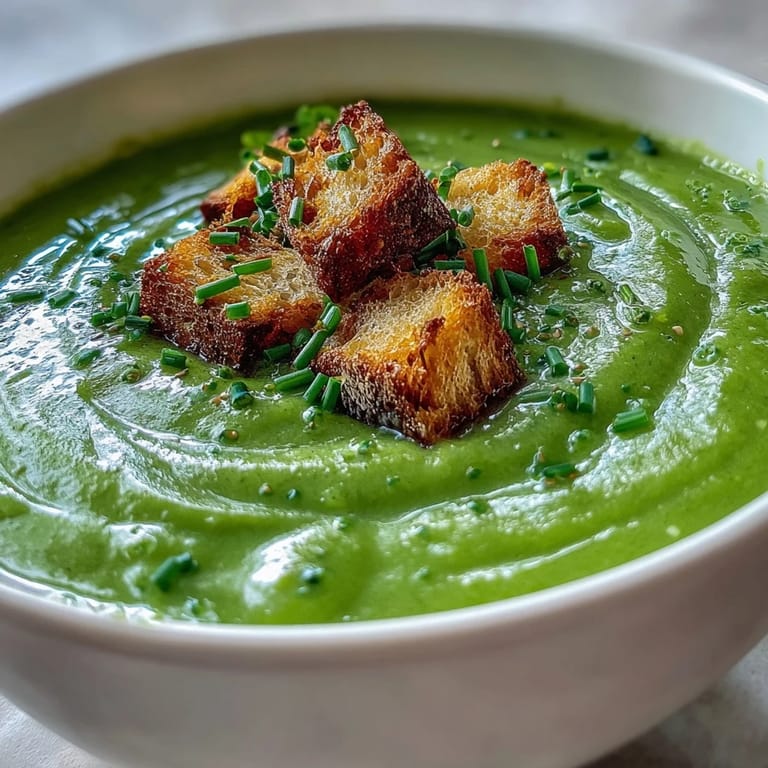
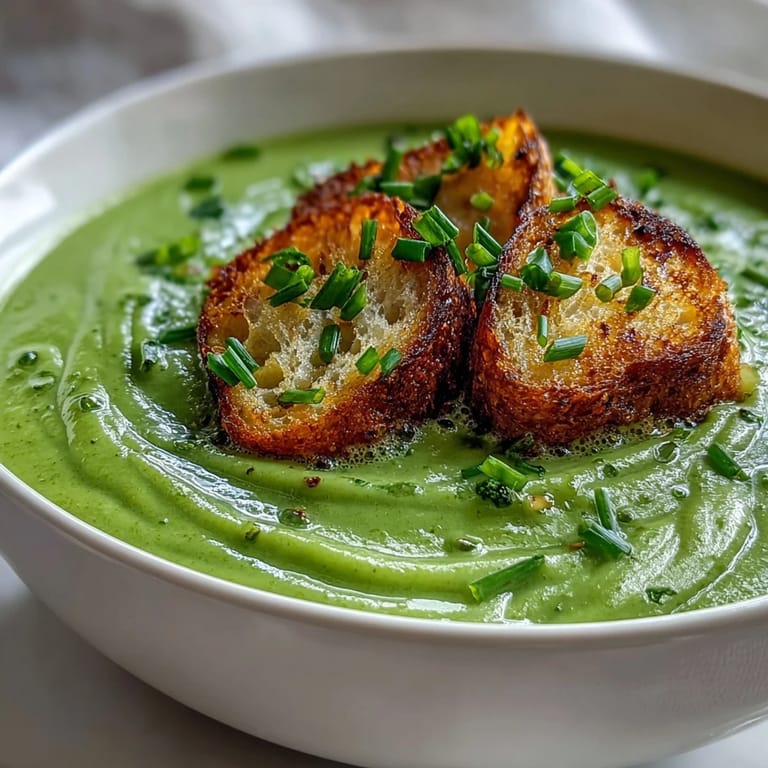
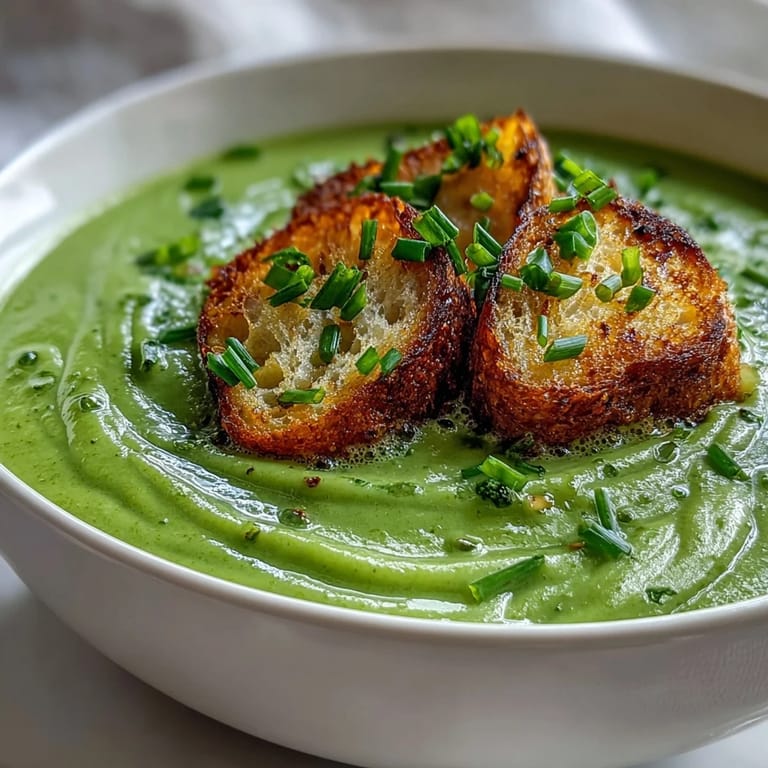
- Ladle into bowls and finish with whatever speaks to you: a drizzle of extra cream, a scatter of fresh chives, or some crispy croutons for texture.
 Add to Pinterest
  Add to Pinterest
 The moment I served this to my vegetarian friend who'd been skeptical about plant-based eating, she closed her eyes after the first spoonful. She said it was the creamiest thing she'd had in months and asked if there was actually cream in it—which of course there was, but her surprise reminded me that sometimes simple, honest cooking speaks louder than anything complicated ever could.
The Texture Secret
The blending is where this soup earns its name. Whether you use an immersion blender or a traditional one, the goal is complete smoothness—no flecks, no graininess, just pure silk. I learned this the hard way when I stopped blending too early, thinking I'd save time, and ended up with something closer to porridge that needed another three minutes of blending. Now I take my time, letting the immersion blender do slow, steady work through the entire pot, listening for the texture to shift from chunky to cloud-like.
Variations Worth Trying
This soup is forgiving enough to welcome additions without losing its identity. I've added a peeled potato to make it heartier on days when I needed something more substantial, and the starch naturally thickens the broth without any cream adjustments. A squeeze of lemon juice at the end brightens everything, cutting through the richness just enough. Some evenings I stir in fresh thyme or a whisper of smoked paprika, and the soup becomes someone's favorite version of itself.
Storing and Reheating
This soup keeps beautifully in the refrigerator for three to four days, which is when I usually make it—one batch covers most of my week. When you reheat, use low to medium heat and stir occasionally, adding a splash of broth if it thickens too much. The flavor actually deepens slightly after a day or two as everything settles together, so yesterday's leftovers often taste better than the day you made it.
- Freeze portions in ice cube trays and pop them out for single-serving lunches that thaw in minutes.
- Add fresh cream only when reheating, never when you first freeze, so the texture stays silky.
- Keep garnishes separate until you serve—they stay crunchier and brighter that way.
 Add to Pinterest
  Add to Pinterest
 This soup has become my answer to everything from a quick weeknight dinner to comfort food on difficult days. There's something almost meditative about watching vegetables transform into something you'd never recognize, reminding you that good cooking is just patience and heat and knowing when to stop.
Recipe Questions & Answers
- → Can I make this soup ahead of time?
Yes, this soup stores beautifully. Prepare it up to 3 days in advance and refrigerate in an airtight container. Reheat gently over low heat, stirring occasionally. You may need to add a splash of broth if it thickens during storage.
- → How can I make this soup thicker?
Add a peeled, diced potato when you add the broccoli florets. The potato will break down during cooking and naturally thicken the soup when blended. Alternatively, reduce the amount of broth slightly or add a tablespoon of flour to the sautéed vegetables.
- → What can I use instead of heavy cream?
You can substitute half-and-half, whole milk, or coconut milk for a lighter version. For a dairy-free option, use cashew cream, oat cream, or any plant-based cream alternative. The soup will be slightly less rich but still delicious.
- → Can I freeze cream of broccoli soup?
It's best to freeze the soup before adding cream. Prepare through the blending step, cool completely, then freeze for up to 3 months. Thaw in the refrigerator overnight and add the cream when reheating.
- → Why shouldn't I boil the soup after adding cream?
Boiling cream can cause it to separate or curdle, resulting in an unpleasant texture. Always add cream at the end and reheat gently over low heat, stirring frequently to maintain the smooth, velvety consistency.
- → What vegetables can I add to this soup?
Cauliflower pairs wonderfully with broccoli and adds extra creaminess. You can also add celery for depth, or spinach and kale for added nutrition. Add leafy greens in the last few minutes of cooking to preserve their color and nutrients.