 Add to Pinterest
 There's something about the smell of lemon zest hitting a warm kitchen that instantly signals spring has arrived. I discovered these muffins purely by accident—my neighbor brought a batch to a community garden event, and one bite transported me straight to a sunny morning I didn't even know I was craving. The brightness of the lemon paired with those little bursts of poppy seed texture made everyone at that gathering ask for the recipe, and now they're my go-to when I want to feel like I've got my life together before 10 a.m.
I once made a triple batch for my daughter's school bake sale, thinking I'd have plenty left over for the week. Instead, they vanished before the first bell rang, and I spent that entire morning grinning like a fool because her teacher actually came to find me to say they were the first thing sold out. That's when I realized these muffins have a magic that goes beyond just being delicious—they're the kind of thing people genuinely remember.
Ingredients
- All-purpose flour (2 cups): The foundation that keeps these tender without being dense; measure by spooning into your cup and leveling off rather than scooping directly.
- Granulated sugar (1 cup): Sweetness that dissolves evenly through the batter, creating a crumb that's moist but not gummy.
- Poppy seeds (2 tbsp): These tiny seeds deliver those satisfying little pops of nuttiness and texture that make people go "what is that?" in the best way.
- Baking powder and baking soda (2 tsp plus ½ tsp): The leavening duo that lifts these muffins so they're fluffy rather than squat—make sure yours aren't expired or you'll end up with dense little hockey pucks.
- Salt (½ tsp): This tiny amount amplifies the lemon flavor and balances the sweetness so nothing feels one-dimensional.
- Large eggs (2): Bind everything together while adding richness and structure to the crumb.
- Whole milk (¾ cup): Creates tenderness; don't substitute with water or your muffins will taste like cardboard.
- Unsalted butter, melted and cooled (½ cup): Melting the butter before mixing means you skip the creaming step entirely, making this recipe genuinely quick.
- Freshly squeezed lemon juice (⅓ cup): Fresh is non-negotiable here—bottled juice tastes tired and bitter compared to the real thing.
- Lemon zest (2 tbsp): This is where the lemon personality lives; zest before juicing or you'll end up with sticky fingers and wasted lemon.
- Pure vanilla extract (1 tsp): A whisper of vanilla that deepens the flavor without announcing itself.
- Powdered sugar (1 cup, sifted): For the glaze; sifting removes lumps so your drizzle stays smooth and elegant.
- Lemon juice for glaze (2-3 tbsp): Adjust based on whether you want a thicker or thinner glaze—start with 2 and add more if needed.
Tired of Takeout? 🥡
Get 10 meals you can make faster than delivery arrives. Seriously.
One email. No spam. Unsubscribe anytime.
Instructions
- Heat and prepare your stage:
- Set your oven to 375°F and line your muffin tin—I prefer paper liners because they peel away cleanly and make cleanup instant. This five-minute setup means you're never scrambling while batter sits around.
- Combine the dry army:
- In a large bowl, whisk together flour, sugar, poppy seeds, baking powder, baking soda, and salt until everything looks evenly mixed. There's a reason we whisk instead of stir—it aerates and distributes the leavening agents so you don't end up with bitter pockets of baking soda.
- Wake up the wet ingredients:
- In a separate bowl, whisk eggs, milk, melted butter, lemon juice, lemon zest, and vanilla until the mixture is pale and combined. You're looking for that moment when the eggs are fully incorporated and the zest is distributed rather than clumpy.
- Bring them together gently:
- Pour the wet mixture into the dry ingredients and fold them together with a spatula using maybe twelve gentle strokes—the moment you don't see streaks of flour is when you stop. Overmixing creates tough, dense muffins because the gluten network tightens up; undermixing is fine because the heat of the oven will finish the job.
- Fill the vessels:
- Divide batter among the muffin cups so each sits about three-quarters full, which gives them room to rise without spilling over the edges. If you have a small ice cream scoop, use it for even portions and consistent baking times.
- Bake until golden:
- Slide into the oven for 18 to 20 minutes—you'll know they're done when the tops are light golden and a toothpick poked into the center comes out clean or with just a few crumbs. The kitchen should smell absolutely incredible at this point.
- Cool with patience:
- Let muffins rest in the pan for five minutes so they set just enough to handle without falling apart, then transfer them to a wire rack to cool completely. Rushing the glaze onto warm muffins makes it melt right off rather than sit prettily on top.
- Make the glaze and finish:
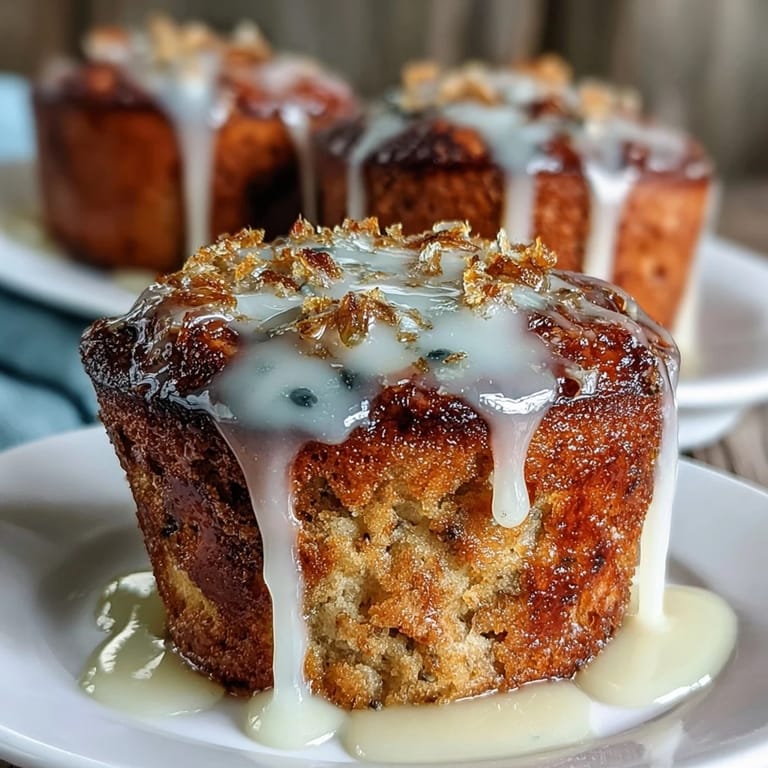
- Whisk powdered sugar with lemon juice—start with 2 tablespoons and add a third if you want it thinner—until it's smooth and pourable but not runny. Drizzle over cooled muffins and let it harden for a few minutes before serving, which is actually the hardest part because they smell too good to wait.
 Add to Pinterest
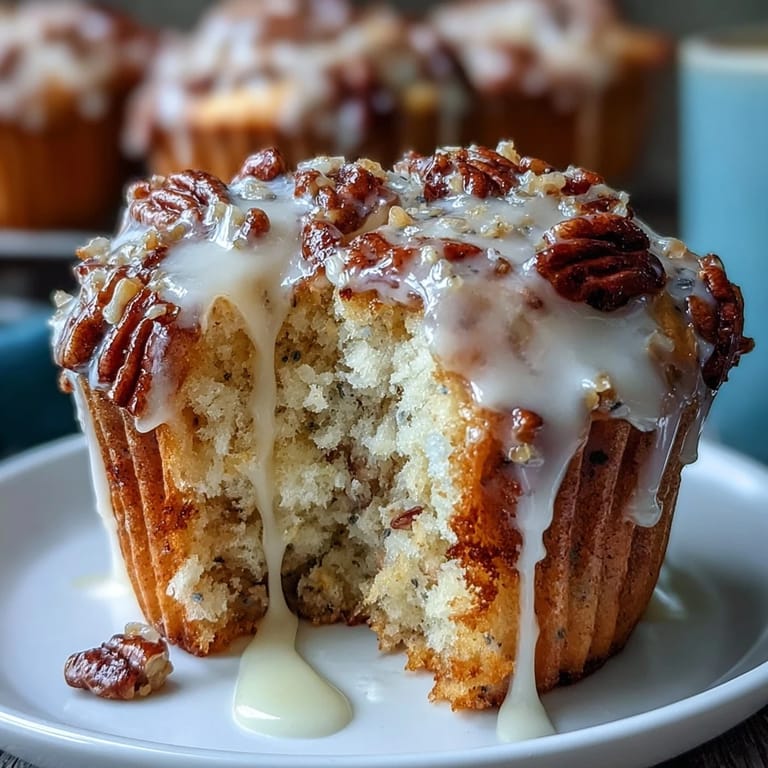
 There was an afternoon when a friend stopped by unexpectedly with her new baby, and I had just pulled these muffins out of the oven. Watching her sit at my kitchen table, shifting the baby onto her shoulder with one hand while reaching for a warm muffin with the other, laughing at how the glaze was dripping down her fingers—that's when I understood why people really cook. It's not about perfection; it's about having something bright and tangible to share when someone needs it.
The Secret of Spring Baking
Spring baking asks something different from you than winter does. Winter wants your chocolate and spice and warmth, but spring demands brightness—it wants you to stop playing it safe with flavor. When you commit to citrus the way this recipe does, leaning into the juice and the zest without apology, you create something that tastes like a season. The poppy seeds are almost a whispered second thought, but they're the detail that prevents these muffins from being simply yellow and one-note. They give your tongue something to find, a little surprise in every bite.
Why Fresh Lemon Changes Everything
I learned this the hard way when I tried to make these in winter using bottled lemon juice because the market's fresh lemons looked sad and wrinkled. The muffins came out tasting oddly metallic and artificial, nothing like the sunny version I remembered. Now I understand that the acidity in bottled juice is different from fresh—it's sharper and more chemical, lacking the subtle complexity that real lemon brings. Fresh lemon juice is brighter, more alive, and it makes the entire recipe sing in a way bottled juice simply can't match.
The Glaze Makes It Feel Intentional
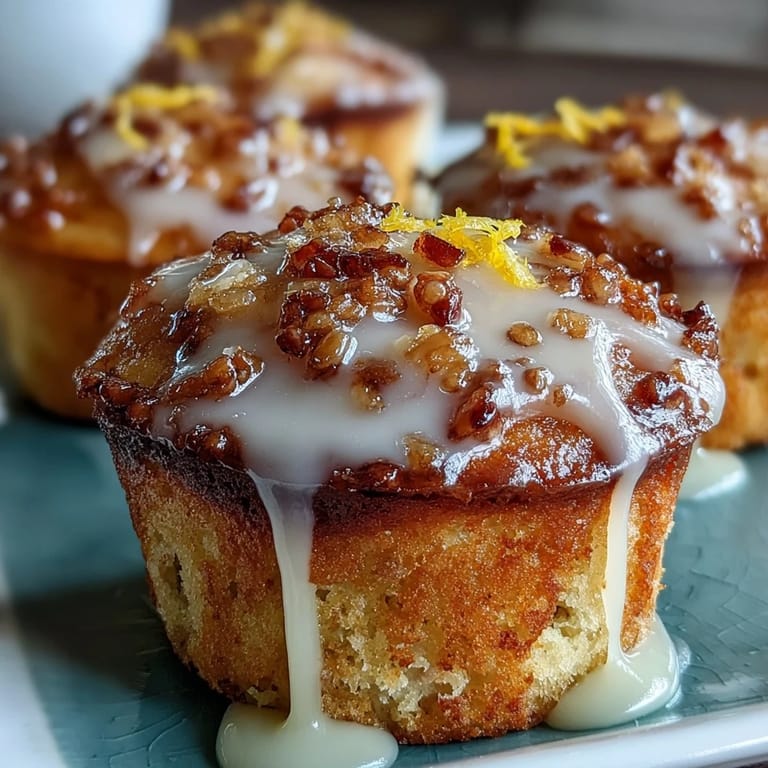
You could absolutely eat these muffins without the glaze and be perfectly happy—they're genuinely good on their own. But the glaze is what transforms them from a simple breakfast muffin into something that feels special, like you took an extra moment to care. It's not complicated or precious; it's just powdered sugar and lemon juice whisked into something smooth and pourable. The magic is in how it looks when it's dripping down the sides, and how it catches the light in a way that makes people lean closer. That little detail tells everyone you were thinking about the presentation, not just whether it was edible.
- Mix the glaze while the muffins are still cooling so it sets into a beautiful matte finish rather than staying glossy.
- If your glaze is too thick, add another half tablespoon of lemon juice and whisk again.
- Drizzle in thin streams across the tops using a fork or the tines of a whisk for that artfully imperfect look.
 Add to Pinterest
 These muffins have a way of becoming part of your regular rotation without you even meaning for them to. They ask so little of you and give back so much brightness in return. Make them this weekend.
Recipe Questions & Answers
- → What gives these muffins their lemon flavor?
Freshly squeezed lemon juice and lemon zest are used to impart a bright, citrusy taste throughout the muffins.
- → Can I substitute any ingredients for dietary preferences?
Greek yogurt can replace half the butter for a lighter texture, and using whole milk maintains moisture and flavor in the muffins.
- → How do I achieve the glaze consistency?
Whisk powdered sugar with freshly squeezed lemon juice until smooth and pourable but not too runny, so it sets nicely on the muffins.
- → What tools are needed to prepare these muffins?
A 12-cup muffin tin, mixing bowls, a whisk, measuring cups and spoons, a zester or grater, and a wire rack for cooling are required.
- → Are these muffins suitable for vegetarians?
Yes, they contain no meat products and use vegetarian-friendly ingredients including eggs and dairy.