 Add to Pinterest
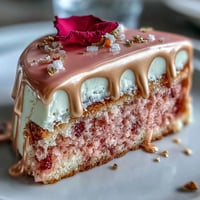
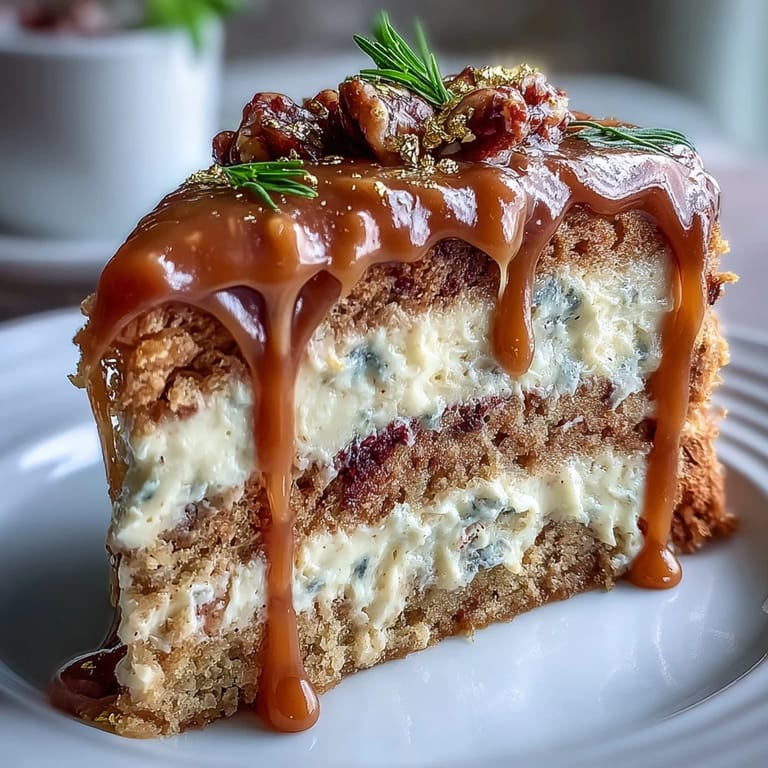
 Some cakes are quietly spectacular, and this Taurus Cake is exactly that. The first time I made it, my kitchen was alive with the scent of brown sugar swirling together with melting butter, punctuated by the unexpected perfume of rose. I didn’t set out to mark any cosmic event, but a friend whose Taurus birthday always coincides with spring’s gentle warmth inspired me to craft something that tasted of both earth and flower. The process felt grounding, yet playful, and making it brought a special sort of calm to an otherwise busy Saturday. Even wiping matcha and beet powder off my palms at the end made me grin.
Once, I baked this cake for a friend’s birthday picnic, panicking when I realized I’d forgotten to buy gold leaf until the last moment—so we dusted the top with turmeric and a bit of cocoa for a gilded look. Laughter spilled out as petals and herbs found their place, each guest sneaking in a ‘just one more flower’ before candles went in. Passing the cake around under bright green trees, every bite tasted a little like sunbeams and a little like dessert heaven. And somehow, the cake was gone before anyone even poured tea. Even the crumbs were fought over.
Ingredients
- All-purpose flour: This is the backbone of the cake—make sure to measure it gently by spooning and leveling for a tender crumb.
- Baking powder & baking soda: The secret to lofty, light layers with just the right amount of lift if you check their freshness before you start, you’ll never be disappointed.
- Fine salt: Use fine salt so it slips seamlessly into the batter, letting the sweet and floral notes shine through.
- Unsalted butter: Adds lush moisture to both cake and frosting—soften fully before using to avoid lumps.
- Packed brown sugar: Gives that caramel edge and the scent that makes people wander into the kitchen to investigate what's baking.
- Eggs: Room temperature eggs blend more smoothly, ensuring the cake stays fluffy—leave them out while you prep the rest.
- Vanilla extract: A background note that ties together butterscotch and floral layers—quality really counts here.
- Sour cream or plain yogurt: Choose whichever is in the fridge; both lend rich tang and unbeatable moisture.
- Whole milk: Helps the batter loosen up just enough for even mixing, and whole adds the best flavor.
- Butterscotch sauce: A homemade magic trick—make extra because you’ll want to taste-test more than you mean to.
- Powdered sugar: Sift it well for cloudlike buttercream, free from sneaky lumps.
- Culinary rose water: Just a splash perfumes the whole cake, but be gentle—the line between floral and soapy is thin.
- Dried lavender (optional): Adds a little complexity; finely grind it before stirring in, or save it for when you want to experiment.
- Natural colorants: Matcha, beet powder, cocoa, turmeric, and spirulina lend earthy vibrancy and taste—start with a pinch and build up.
- Edible flowers: Pansies, violets, and pastel rose petals transform the cake into something from a spring meadow—just be sure they’re unsprayed and edible.
- Fresh herbs: Thyme, mint, or rosemary add pops of green and an herbaceous aroma; fresh-snipped is best.
- Gold leaf or dust (optional): Not needed, but every Taurus (or anyone) enjoys a touch of sparkle now and again.
Tired of Takeout? 🥡
Get 10 meals you can make faster than delivery arrives. Seriously.
One email. No spam. Unsubscribe anytime.
Instructions
- Prep the Pans and Oven:
- Heat your oven to 350°F and line three 8-inch pans with parchment—this is one step you’ll thank yourself for when unmolding the cakes later.
- Simmer the Butterscotch Sauce:
- Let butter and brown sugar melt together, then whisk in cream and inhale that warm caramel aroma before swirling in vanilla—let it cool so it doesn’t melt your batter.
- Mix the Dry Ingredients:
- Sift and whisk flour, baking powder, baking soda, and salt for uniformity and stash the bowl aside for a smooth workflow.
- Cream and Combine:
- Beat butter and sugar until pale, listening for that gentle slap against the bowl, then add eggs and vanilla, one by one, until satiny.
- Bring Together the Batter:
- Mix in sour cream and cooled butterscotch sauce, then gently alternate folding in flour mixture and milk—stop when it’s just blended, so the cake bakes up tender.
- Bake the Cakes:
- Evenly divide the batter, smooth the tops, and bake them until the kitchen smells deeply toasty and a toothpick poked in the center comes out clean—cool before handling.
- Blend the Buttercream:
- Whip softened butter until light, slowly raining in powdered sugar, milk, rose water, and (if you’re feeling fancy) a touch of lavender—separate into bowls and tint with natural colors for a marbled effect.
- Assemble the Layers:
- Stack the cakes with plenty of buttercream between each, then coat the outside, swirling the earth tones until you’re happy—pop in the fridge for a bit to set everything together.
- Decorate Like It’s Spring:
- Scatter edible flowers and fresh herbs right before serving, dust with gold if using, and take a beat to admire your work before slicing in.
 Add to Pinterest
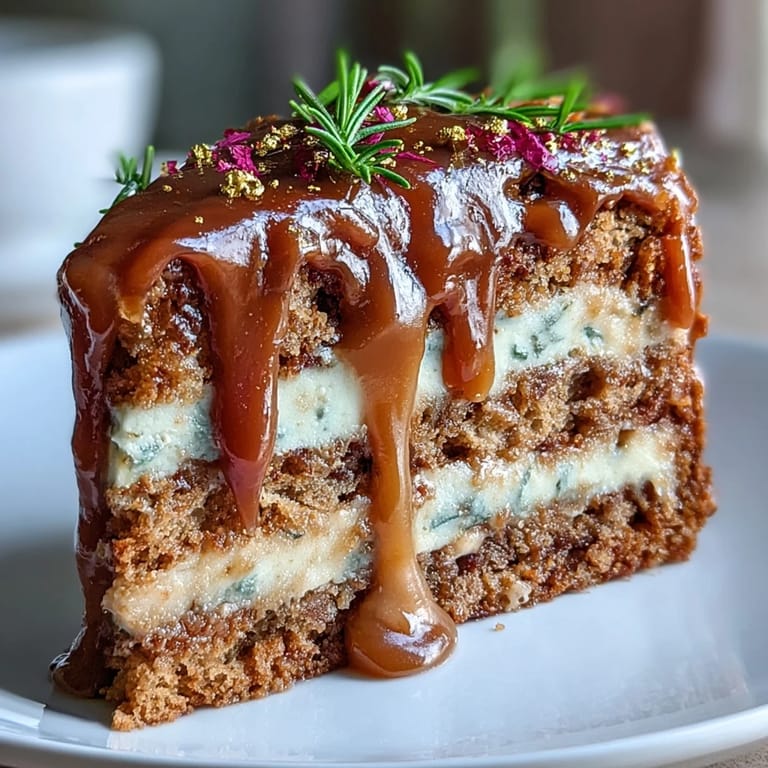
 During a quiet twilight gathering on the back porch, cutting into this cake became a kind of centerpiece moment—everyone leaned in, admiring the colors and edible petals before the first slice even landed on a plate. In that flickering hour, cake, conversation, and the scent of flowers blended gently together, and the recipe itself felt a little like a ritual for welcoming spring.
Choosing & Using Edible Flowers
Over time, I’ve learned that real edible flowers turn a cake from pretty to unforgettable. Make sure to buy or grow unsprayed, food-grade flowers and gently rinse and dry them before placing them on the cake, so the colors stay bright.
Natural Colorants: Going Earthy, Not Neon
Natural powders like matcha, beet, and turmeric all tint buttercream beautifully, but start with the tiniest amount—even a pinch too much can overpower the flavor. Mixing them with a drop of milk first helps prevent streaky swirls, so every earth tone feels softly blended rather than bold or patchy.
Storing and Serving Your Taurus Cake
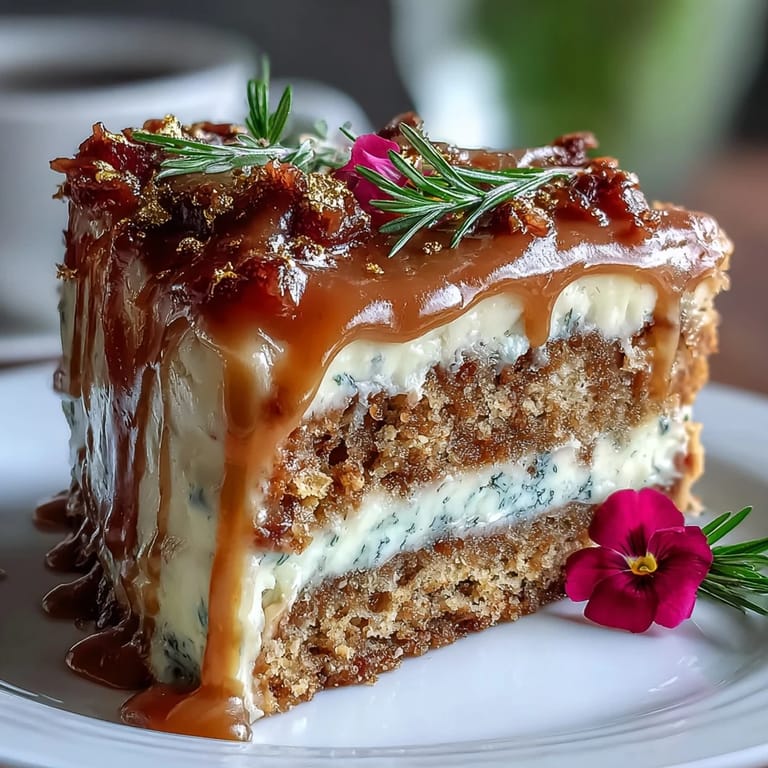
This cake keeps best covered at room temperature for a couple days, but if you’ve used fresh flowers, pop it in the fridge to be safe.
- If your kitchen is warm, a brief chill helps the buttercream maintain its swirls.
- Let slices sit at room temp for 20 minutes before serving, so the flavors and textures fully bloom.
- Be adventurous and pair a piece with floral tea or something sparkling for extra delight.
 Add to Pinterest
 Whether you’re building layer by layer or simply sneaking tastes of buttercream along the way, this Taurus Cake is an ever-rewarding bake. Even if every attempt looks a little different, it always tastes like a celebration of both earth and blossom.
Recipe Questions & Answers
- → How do I keep the cake layers moist?
Incorporate sour cream (or yogurt) and the butterscotch sauce into the batter to add fat and moisture. Avoid overmixing once flour is added and bake until a toothpick comes out clean to prevent dryness.
- → What natural colorants work best for earth tones?
Use matcha for muted green, cocoa for brown, beet powder for soft pinks, turmeric for warm yellow, and spirulina sparingly for deeper greens. Blend into small buttercream portions to control intensity.
- → Can I substitute rose water in the buttercream?
Yes—orange blossom water or a touch of vanilla will provide floral or warm aromatic notes. Reduce amounts if the alternative is concentrated to keep balance with the butterscotch flavor.
- → How should the cake be stored and for how long?
Keep the assembled cake covered at room temperature for up to 3 days. Refrigerate if using very delicate fresh flowers or if your environment is warm; allow the cake to come to room temperature before serving for best texture.
- → Any tips for smooth, swirled buttercream finishes?
Chill the cake briefly after a crumb coat to firm the layers. Use an offset spatula and bench-scraper for smooth sides, then apply colored swirls with separate spatulas or piping bags. A quick chill helps the colors hold shape before final tweaks.
- → How can I prevent the buttercream from being too sweet?
Balance sweetness by using high-fat butter, adding a pinch of fine salt, and incorporating subtle floral waters like rose or orange blossom. Adjust milk to reach desired spreadability without diluting flavor.