 Add to Pinterest
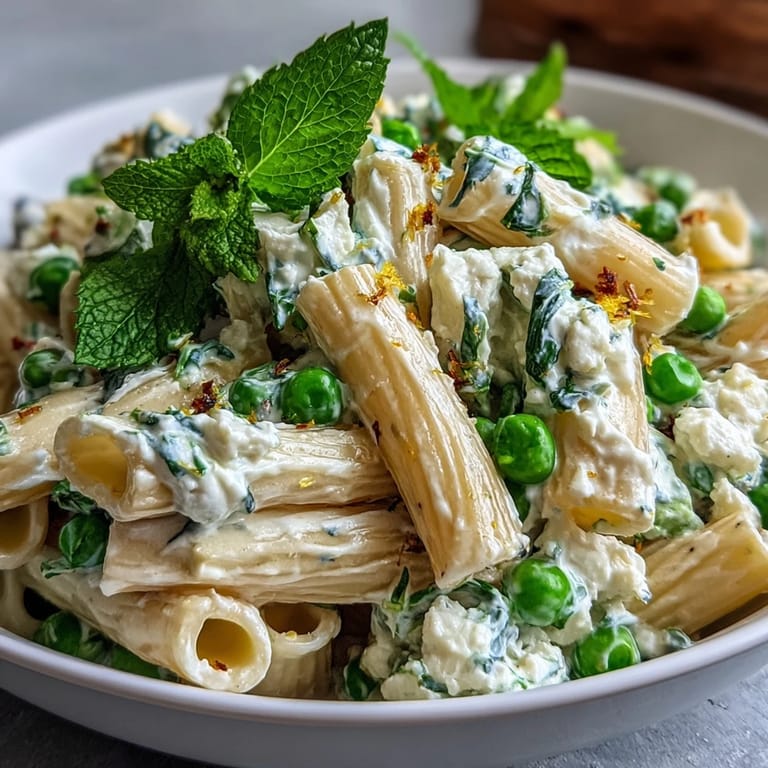
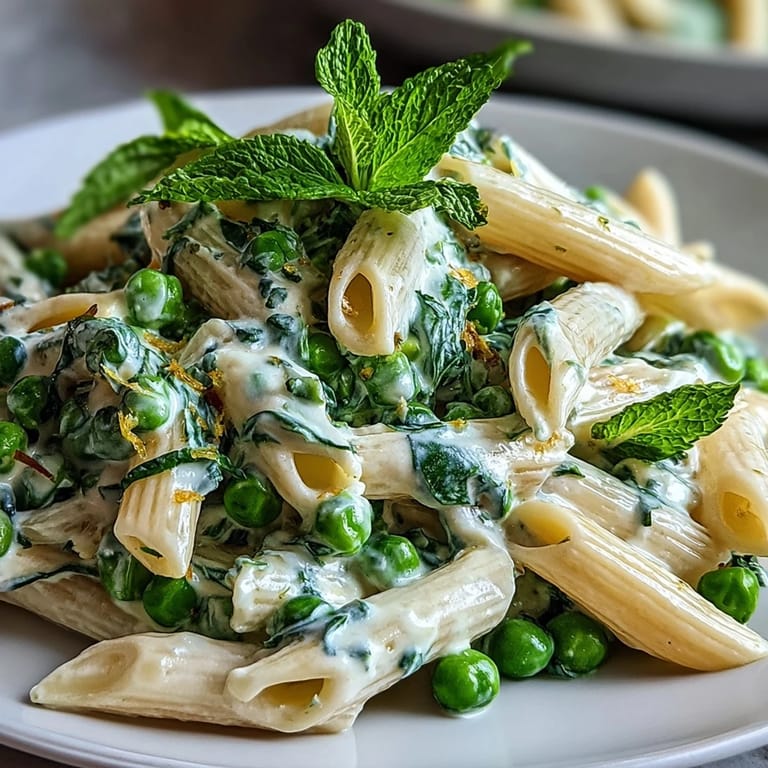
 There's something about opening the fridge on a warm afternoon and spotting a bunch of fresh mint that makes you want to cook immediately. That's when I discovered how beautifully peas and ricotta dance together on a plate—creamy, bright, and ready in less time than it takes to set the table. This pasta became my go-to whenever spring felt like it needed celebrating, or honestly, whenever I just wanted something that tasted effortless but felt special. The mint is the real star here, cutting through the richness like a friend who knows exactly what you need to hear. Every bite reminds me why simple Italian cooking gets it right.
I made this for my neighbor one April evening when she brought over a bundle of mint from her garden, and watching her take that first bite—the way her whole face just brightened—that's when I knew this recipe was keepers. She asked for it three times that summer, and each time I'd remember that moment and smile. It became the dish I'd make whenever someone needed reminding that good food doesn't have to be complicated.
Ingredients
- Short pasta (penne, fusilli, or orecchiette), 350 g: Choose whatever shape you love—I find orecchiette holds the sauce best because those little ears catch every bit of creamy goodness.
- Fresh or frozen peas, 250 g: Frozen peas are honestly just as good here and sometimes even sweeter; don't feel bad reaching for them when fresh aren't available.
- Ricotta cheese, 250 g: This is your base for the sauce, so don't buy the kind that's been sitting around—taste it before you commit to make sure it's sweet and creamy.
- Parmesan cheese, 50 g grated: Freshly grated makes a real difference in how it melts into the sauce, so if you have time, grate it yourself.
- Fresh mint, 1 small bunch (about 15 g): The more fragrant and vibrant your mint, the more this dish will come alive on the plate.
- Garlic, 2 cloves finely chopped: Don't skip this step—the garlic blooms in the oil and becomes almost sweet, it's the foundation for everything else.
- Lemon zest, from 1 unwaxed lemon: This tiny bit of brightness is what makes people pause and wonder what you did differently.
- Extra-virgin olive oil, 2 tbsp: Use something you actually enjoy tasting because it's present and matters here.
- Salt and freshly ground black pepper: Season generously throughout, not just at the end—this builds layers of flavor.
Tired of Takeout? 🥡
Get 10 meals you can make faster than delivery arrives. Seriously.
One email. No spam. Unsubscribe anytime.
Instructions
- Bring your water to a rolling boil:
- Fill a large pot with water, salt it generously (it should taste like the sea), and let it boil hard before adding pasta. This is where the pasta's flavor starts, so don't rush it.
- Cook the pasta until just al dente:
- Follow the package timing but taste it a minute early—you want it tender but with a slight firmness in the center because it'll continue cooking when you toss it with the peas. Reserve a full cup of that starchy water before you drain it; you'll need it later to make everything creamy.
- Warm the oil and coax the garlic:
- In a large pan over medium heat, let the olive oil and chopped garlic get friendly for about a minute until it's fragrant and the kitchen smells incredible. Don't let it brown; you're just waking it up.
- Add the peas and let them brighten:
- Toss in your peas and let them cook for 2–3 minutes (a bit longer if they're frozen) until they're tender and vibrant green. This is when you'll hear the gentle sizzle of spring arriving in your pan.
- Bring everything together:
- Add your drained pasta to the pan with the peas and toss gently so everything gets coated in that garlic oil. The pasta is still warm, the peas are tender, and everything feels loose and ready.
- Create your creamy sauce off the heat:
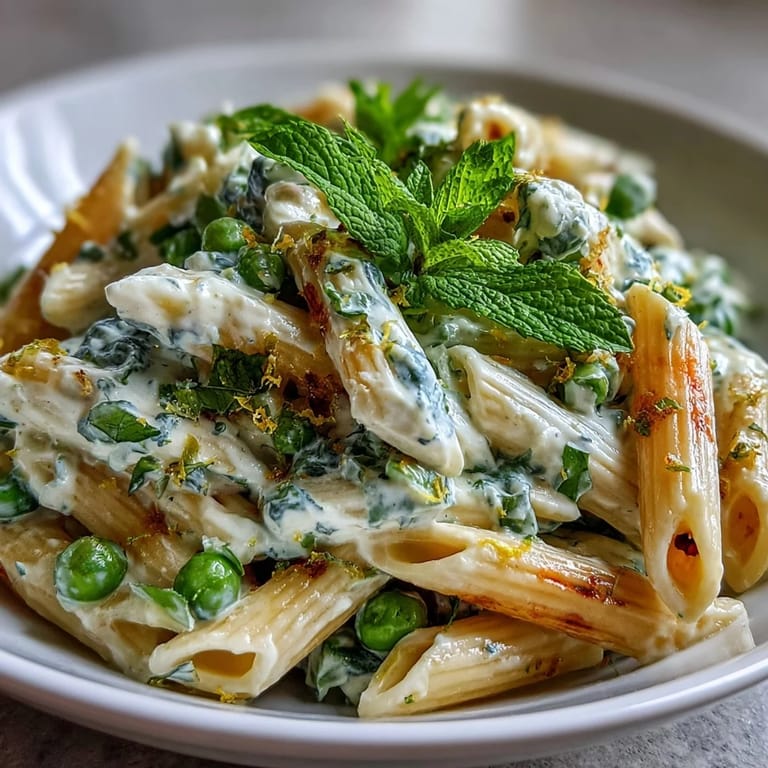
- Remove the pan from the heat, then fold in the ricotta, most of the mint, the lemon zest, and the Parmesan. Add your reserved pasta water a splash at a time, stirring gently until you have a sauce that's creamy and coats each piece of pasta without being heavy—it should move easily on the spoon.
- Season and serve with ceremony:
- Taste it and season with salt and plenty of black pepper, then divide among plates and finish with the remaining fresh mint and extra Parmesan. The contrast of hot pasta with cool mint leaves is part of the magic here.
 Add to Pinterest
 There was this quiet Tuesday evening when I made this for myself alone, no guests, no occasion, just because I felt like it. I stood at the stove while the peas cooked and actually just breathed in the smell of garlic and mint, and it hit me that sometimes the best meals are the ones we cook for ourselves first, before anyone else gets a taste.
The Magic of Timing
The beauty of this dish lives in how quickly everything comes together, which means you need to have all your ingredients prepped before you start cooking. Chop your mint, zest your lemon, mince your garlic—do this while the pasta water comes to a boil so that once things start moving, you're just combining rather than scrambling. I learned this the hard way when I realized halfway through that my mint was still a whole bunch on the counter, and I was frantically chopping while cream was getting thick on the stove.
Fresh vs. Frozen Peas (and Why It Doesn't Really Matter)
I used to feel like frozen peas were somehow a shortcut or a compromise, until a friend who grows vegetables told me that frozen peas are often fresher than what's sitting in the grocery store because they're frozen at peak ripeness. Now I keep bags in my freezer and reach for them without a second thought. Fresh peas in spring are gorgeous, sure, but if you're in January and a good frozen pea is what you have, trust it completely—they'll cook beautifully and taste just as sweet.
Ways to Make This Your Own
This recipe is like a canvas that doesn't mind if you add your own colors. Some nights I'll stir in a small handful of tender baby spinach or arugula right at the end, letting the heat just barely wilt it. Other times I'll sprinkle toasted pine nuts over the top for a little crunch, or add a tiny pinch of red pepper flakes if I'm feeling something spicy. The core of the dish—sweet peas, creamy ricotta, fresh mint—stays steady, but everything around it can shift depending on your mood.
- Try adding toasted pine nuts for texture and a subtle nuttiness that complements the richness.
- A small handful of baby spinach or arugula wilted in at the end adds depth without overwhelming the fresh mint.
- A pinch of red pepper flakes can give a gentle heat if you want to wake things up a bit.
 Add to Pinterest
 This pasta reminds me that the best meals are often the simplest ones, made with ingredients that are actually in season and taste like themselves. Make it, share it, and watch how something so easy can somehow still feel like you've given someone a gift.
Recipe Questions & Answers
- → What type of pasta works best for this dish?
Short pasta such as penne, fusilli, or orecchiette are ideal as they hold the creamy sauce nicely.
- → Can I use frozen peas instead of fresh?
Yes, frozen peas can be used. Just cook them slightly longer until they are bright and tender.
- → How do I achieve the sauce’s creamy texture?
Mixing ricotta with reserved pasta water creates a smooth and silky sauce that evenly coats the pasta.
- → What herbs complement the flavors here?
Fresh mint is the key herb, providing a fragrant, refreshing note that brightens the dish.
- → Are there suggestions to add extra texture?
Toasted pine nuts or fresh baby spinach can add a pleasant crunch or freshness to the dish.