 Add to Pinterest
 The first time I made zeppole, I was standing in my nonna's kitchen watching her pull golden puffs from hot oil with the confidence of someone who'd done it a thousand times. She handed me the spoon and said, "Your turn," and I realized then that this wasn't just a recipe—it was a conversation between generations, told through the language of butter and sugar. Years later, I still get that same thrill when I hear the first sizzle of batter hitting hot oil, that moment when something simple transforms into something pure magic.
I remember bringing a batch to a dinner party where someone said they'd never had homemade zeppole, and watching their face when they bit into one was worth every minute of preparation. They were still warm, still dusted with that generous cloud of powdered sugar, and the kitchen filled with this quiet contentment that only happens when people taste something that makes them feel cared for.
Ingredients
- All-purpose flour: The foundation of your batter—make sure it's measured by weight if you can, because scooping can pack it down and throw off your ratios.
- Baking powder: This is what gives zeppole their characteristic puff and lightness; don't skip it or use old baking powder that's lost its lift.
- Granulated sugar: Adds subtle sweetness to the dough itself, letting the powdered sugar finish be the real star.
- Salt: A small amount awakens all the other flavors and keeps things balanced.
- Eggs: They bind everything together and help create that tender crumb.
- Whole milk: Use the real thing here—it creates a richer, smoother batter than skim.
- Vanilla extract: A quiet background note that makes people wonder what that subtle flavor is.
- Unsalted butter: Melted, so it incorporates easily and adds richness without being greasy.
- Vegetable oil for frying: Choose one with a high smoke point and don't reuse it more than twice.
- Powdered sugar: The generous final dusting is non-negotiable; this is where the magic happens.
Tired of Takeout? 🥡
Get 10 meals you can make faster than delivery arrives. Seriously.
One email. No spam. Unsubscribe anytime.
Instructions
- Mix your dry ingredients:
- Whisk together the flour, baking powder, sugar, and salt in a large bowl, making sure everything is evenly distributed so there are no hidden pockets of baking powder that'll give you an odd taste.
- Combine the wet ingredients:
- In a separate bowl, beat the eggs lightly, then add the milk, vanilla, and melted butter, stirring until it's all one cohesive mixture. This step keeps your batter tender because you're not overworking the flour.
- Bring them together:
- Pour the wet ingredients into the dry, stirring gently until you have a thick, sticky batter that clings to the spoon. Don't overmix; lumps are actually your friend here.
- Heat your oil to perfection:
- Use a thermometer and bring your vegetable oil to exactly 350°F—this is the sweet spot where zeppole puff up gorgeously without absorbing too much oil. If it's too cool, they'll be greasy; too hot and they'll brown before they cook through.
- Fry in careful batches:
- Using two spoons, gently drop heaping tablespoons of batter into the oil, working in small batches so the temperature stays steady and each zeppola has room to float and turn. You should hear a gentle sizzle, not a violent roar.
- Turn and watch for color:
- After about two minutes, they'll naturally float to the surface—that's when you turn them so the other side gets that same beautiful golden-brown finish. Total frying time is usually 3 to 4 minutes.
- Drain and dust:
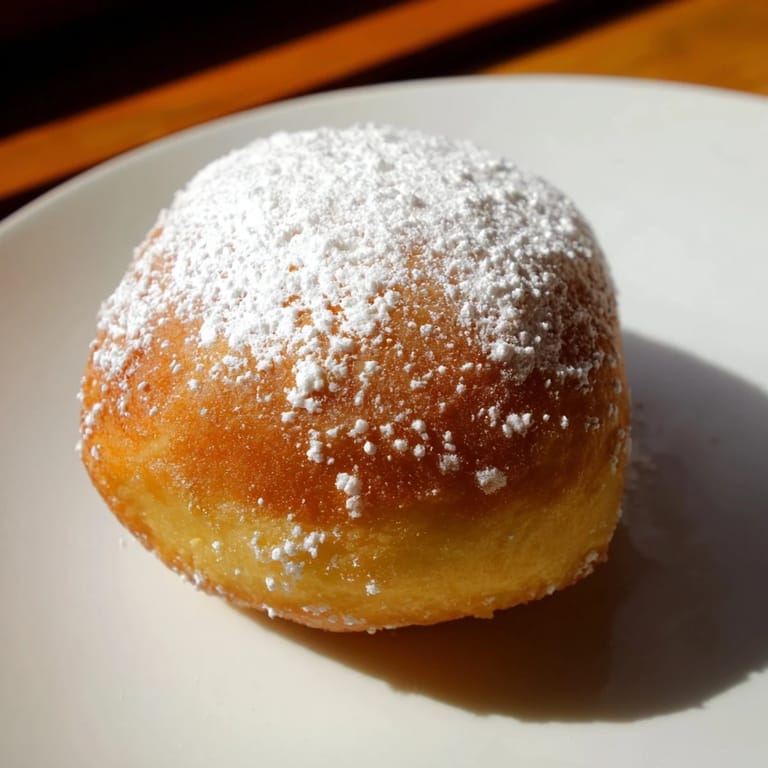
- Scoop them out with a slotted spoon onto paper towels while they're still hot, and immediately shower them with powdered sugar. The warmth helps it stick and start to dissolve slightly into a sweet crust.
 Add to Pinterest
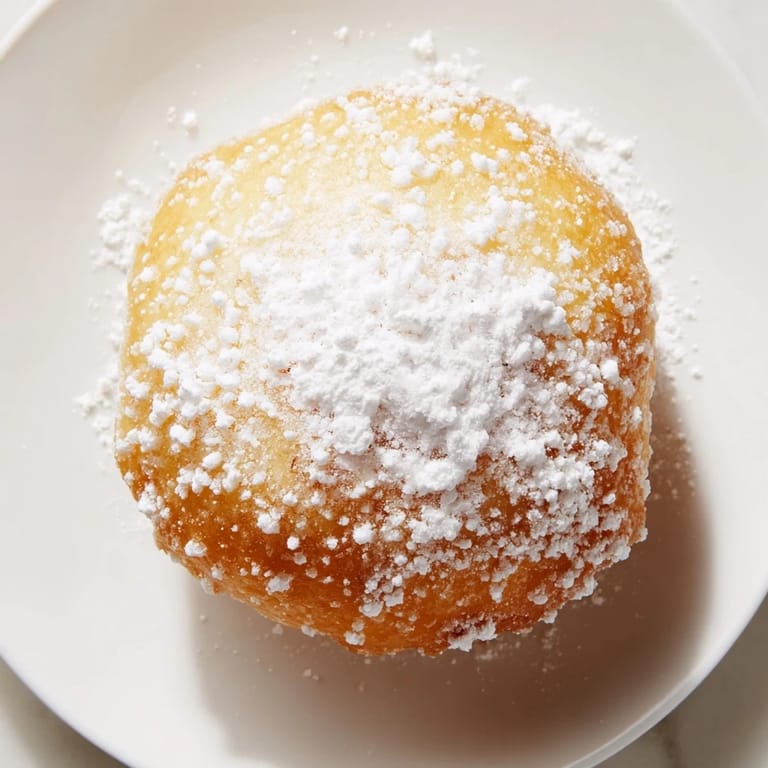
 There's something almost ceremonial about dusting these with powdered sugar, the way the white cloud settles over each warm ball of fried dough. I've learned that this final step is when zeppole stop being just food and become the kind of comfort that bridges generations and brings people into the same moment.
The Secret to Puffy Zeppole
The baking powder is doing heavy lifting here, and it only works if you fry at the exact right temperature and don't crowd the pot. When I started making these, I'd rush and pack too many into the oil at once, and they'd steam each other instead of fry. The oil temperature would drop, and the result was dense and oil-logged. Now I'm patient with the batches, letting each zeppola have its moment to puff and turn golden. It's a small thing, but it changes everything about the final texture.
Flavor Variations to Explore
While the classic version is perfect on its own, I've discovered that a tiny whisper of lemon zest added to the batter brings a brightness that people don't expect but absolutely love. I've also tried adding a quarter teaspoon of cinnamon once, which gave them a subtle warmth. The base recipe is so forgiving that it invites experimentation without ever losing what makes it special.
Serving and Storage Wisdom
Zeppole are best eaten immediately while they're still warm and the exterior hasn't softened, though they're still lovely at room temperature if you have leftovers. I once tried to reheat some in the microwave and regretted it instantly—the warmth made them soggy. Now I either eat them fresh or accept them as a different, still-delicious treat the next day.
- Chocolate sauce or raspberry sauce for dipping takes them from simple to restaurant-worthy in seconds.
- Make sure your oil isn't too old or it will impart a stale taste that overpowers the delicate fried dough.
- Don't be shy with the powdered sugar—that's the beauty of this dessert, and restraint is the enemy here.
 Add to Pinterest
 Zeppole are proof that the simplest recipes often hold the most love. These warm, sugar-dusted puffs are meant to be shared, to be savored in the moment, and to connect us to the people and kitchens that came before.
Recipe Questions & Answers
- → What makes zeppole light and airy?
The combination of baking powder and gently whisked eggs creates a batter that puffs up when fried, resulting in a light and airy texture.
- → How can I ensure a crisp exterior?
Maintaining the oil temperature around 350°F (175°C) helps create a golden, crisp outer layer while keeping the inside soft.
- → Can I add flavors to the dough?
Yes, adding a pinch of lemon zest or vanilla enhances the batter’s aroma and flavor without altering the texture.
- → What is the best frying method for zeppole?
Use a deep pot or fryer with enough vegetable oil to fully submerge the dough balls, frying in small batches for even cooking.
- → How should zeppole be served for best taste?
Serve warm with a dusting of powdered sugar, or accompany with chocolate or raspberry sauce for added indulgence.