 Add to Pinterest
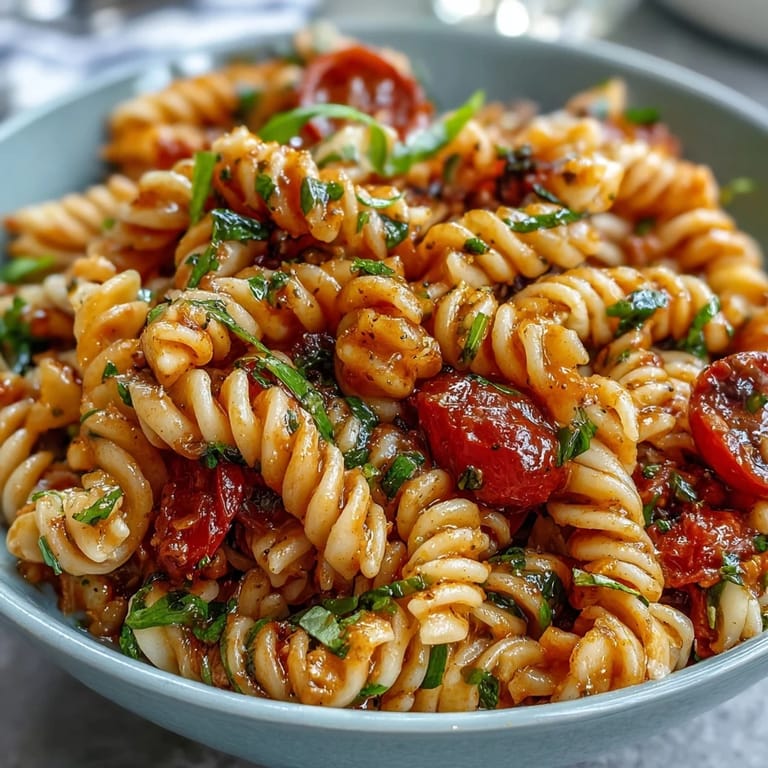
 There's something about a pasta salad that makes summer feel inevitable. My neighbor showed up one Fourth of July with a massive bowl of this stuff, and I watched people go back for thirds while the sun melted into the horizon. The secret, she told me later, wasn't just the dressing—it was how she treated the pasta like it needed to breathe, cooling it properly so it wouldn't turn into mush. Now I make it every time we gather, and somehow it always disappears first.
I made this for my daughter's school potluck on a whim, using up whatever vegetables were lingering in my crisper drawer, and her teacher came up to me after asking if I catered it. That moment—when something simple stops people mid-chew—that's when I knew this recipe deserved a permanent spot in my rotation.
Ingredients
- Short pasta (350 g or 12 oz): Rotini, fusilli, or penne all work beautifully because they catch the dressing in all their little curls and ridges; don't skip the cooling step or you'll end up with a starchy, clumpy mess.
- Cherry tomatoes (1 cup halved): Halving them instead of quartering keeps them from disappearing into the salad, and their sweetness balances the vinegar perfectly.
- Cucumber (1 cup diced): The crispness here is essential, so cut it just before assembling if you can, and don't peel it unless you really want to lose all that texture.
- Red and yellow bell peppers (1/2 cup each diced): The two colors aren't just pretty—they add different flavor notes, with red being sweeter and yellow more mild.
- Red onion (1/4 cup finely chopped): This sharp bite softens slightly as it sits in the dressing, becoming less aggressive and more integrated into the whole.
- Black olives (1/4 cup sliced): They add that briny punch that makes people wonder what that sophisticated flavor is, and they keep the salad from feeling too light.
- Mozzarella pearls or diced mozzarella (3/4 cup or 90 g): Fresh mozzarella melts slightly into the warm pasta and creates these little pockets of creaminess that feel indulgent without being heavy.
- Fresh parsley (2 tbsp chopped): Don't use dried here; the fresh herb brings a brightness that dried parsley can't replicate, and it's what makes this feel alive.
- Fresh basil (1 tbsp chopped, optional): If you have it growing or found it at the market, toss it in—it's the difference between good and memorable.
- Extra-virgin olive oil (1/3 cup or 80 ml): This is where quality actually matters because it's not being heated; a mediocre oil will make the whole thing taste flat.
- Red wine vinegar (3 tbsp): This provides the tangy backbone that keeps everything tasting fresh and prevents the salad from becoming heavy.
- Dijon mustard (1 tsp): It emulsifies the dressing and adds a subtle complexity that you can't quite name but definitely notice.
- Garlic (1 clove minced): One clove is enough; more and you'll overpower everything else, and nobody wants to talk to you after eating garlic breath food anyway.
- Dried oregano (1/2 tsp): This ties everything to that Italian flavor profile without being bossy about it.
- Salt and black pepper (1/2 tsp and 1/4 tsp): Taste as you go because these amounts are just a starting point, and you'll likely want more depending on your vegetables and how salty your mozzarella is.
Tired of Takeout? 🥡
Get 10 meals you can make faster than delivery arrives. Seriously.
One email. No spam. Unsubscribe anytime.
Instructions
- Cook the pasta properly:
- Boil salted water in a large pot (the water should taste like the sea), add your pasta, and cook until al dente—this means it still has a slight firmness when you bite it, not soft all the way through. Drain it into a colander and rinse under cold running water while stirring gently until it's completely cool, which stops the cooking and prevents clumping.
- Make the dressing:
- Whisk together the olive oil, red wine vinegar, mustard, minced garlic, oregano, salt, and pepper in a small bowl or jar—if you use a jar with a lid, you can shake it vigorously and watch the emulsion happen right before your eyes. Taste it straight and adjust the seasoning now while you can; once it's on the salad, it's harder to fix.
- Combine everything:
- In a large mixing bowl, toss together the cooled pasta, tomatoes, cucumber, peppers, onion, olives, and mozzarella until the vegetables are distributed throughout. Pour the dressing over everything and toss thoroughly, making sure every piece of pasta gets coated.
- Add the herbs:
- Sprinkle the parsley and basil over the salad and toss one more time so they integrate throughout instead of sitting on top like an afterthought.
- Chill and set the flavors:
- Cover the bowl and refrigerate for at least 30 minutes—this time is when the magic happens and the flavors start talking to each other. The pasta absorbs the dressing and becomes more flavorful, and the vegetables release their juices into the mix.
- Final taste and serve:
- Pull it from the fridge, give it a stir, and taste it before serving; the seasoning might have mellowed, so you might need another pinch of salt or a squeeze more vinegar. Serve it cold or at room temperature, depending on the weather and your mood.
 Add to Pinterest
 I brought this to a picnic where I didn't know many people, and by the end of the meal, I was trading contact information with three different neighbors who wanted the recipe. It's funny how a bowl of pasta salad can break the ice better than small talk ever could.
When to Make It Ahead
This is one of those rare recipes that actually improves when made a day in advance—the pasta continues to absorb the dressing and the flavors deepen into something more complex than they were fresh. If you're making it ahead, keep it covered in the refrigerator and give it a gentle toss before serving; you might notice the vegetables have released their liquid, so taste it and add a splash more vinegar or olive oil if it seems dry. The mozzarella will soften slightly, which some people love and others find less appealing, so decide based on your preferences.
Ways to Make It Your Own
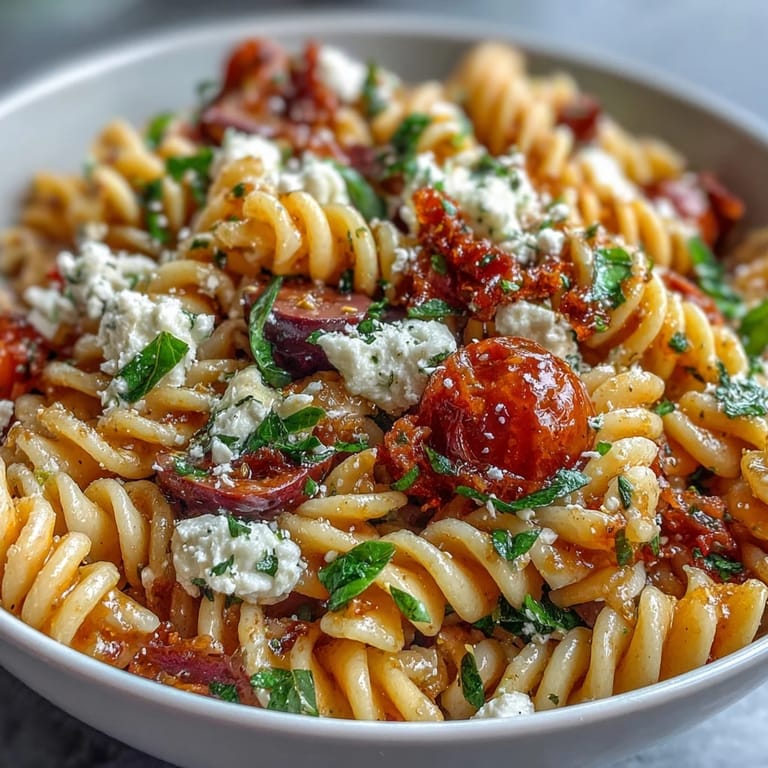
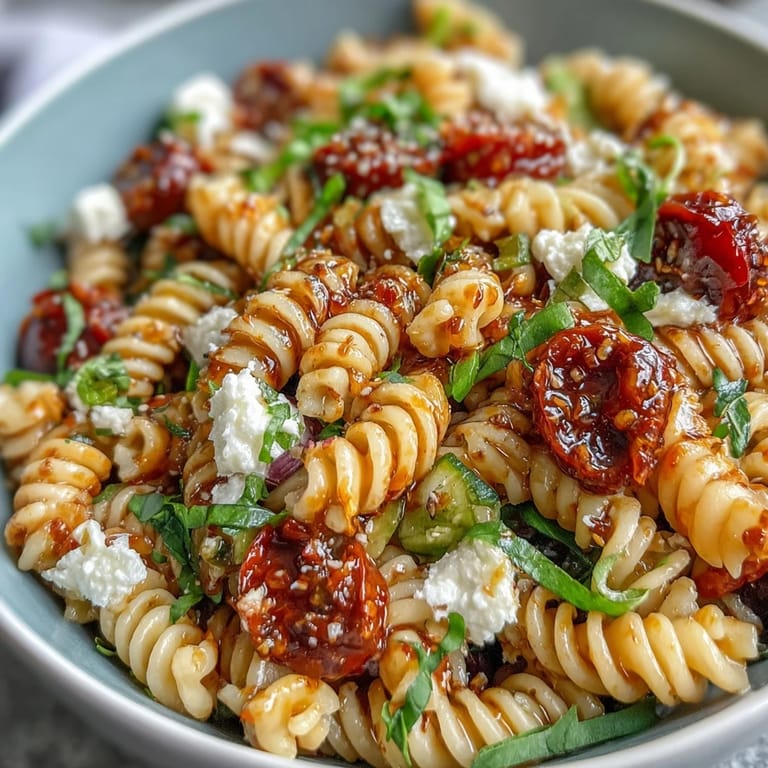
The beauty of this salad is that it welcomes improvisation without falling apart. I've added grilled chicken when I needed more protein, thrown in white beans when I wanted heartiness, and swapped the mozzarella for crumbled feta when I was feeling fancy. Sun-dried tomatoes add a concentrated sweetness, fresh spinach makes it more substantial, and roasted red peppers from a jar work in a pinch if you don't have fresh ones.
Storage and Serving Tips
Store this covered in the refrigerator for up to one day, though it's best eaten within hours of making it for maximum crispness. If you're taking it to a gathering and want to preserve the texture, pack the dressing separately and toss it in just before serving—this way nothing gets soggy during transport. On hot days, the cold salad is refreshing; on cooler evenings, it's surprisingly satisfying at room temperature.
- Pack extra dressing in a separate container because pasta salad always seems to drink more than you expect.
- Bring it in a container with a tight lid so nothing spills on your car seat or blanket.
- If it seems dry when you're ready to eat it, a splash of olive oil or red wine vinegar will revive it instantly.
 Add to Pinterest
 This pasta salad has become my go-to answer when someone asks me to bring something to a gathering, because it's forgiving, scalable, and almost impossible to mess up. Make it once and it becomes part of your summer kitchen language.
Recipe Questions & Answers
- → What pasta types work best here?
Short pasta like rotini, fusilli, or penne hold the dressing well and blend nicely with the vegetables.
- → How should the pasta be cooked?
Cook pasta in boiling salted water until al dente, then drain and rinse with cold water to cool before mixing.
- → Can I prepare this salad in advance?
Yes, it can be made up to one day ahead and kept refrigerated to allow flavors to meld.
- → What alternatives are there for mozzarella?
Feta cheese can be used for a tangier profile, or omitted for a lighter option.
- → How can I add protein to this dish?
Cooked diced chicken or chickpeas can be mixed in to increase protein content and make it more filling.