 Add to Pinterest
 The first whiff of dandelion petals always surprises me with its subtle sweetness, a little more earthy than expected. I stumbled into making dandelion jelly one sunny afternoon after noticing a sea of yellow blossoms in the backyard, and decided on a whim to turn them into something special. The clinking of jars and low hum of simmering water filled the kitchen as I navigated the process, curious and slightly skeptical of how those humble weeds could become a golden spread. Watching the petals steep, I realized the aroma reminded me faintly of wild honey and fresh spring mornings. It's a recipe that feels like pure sunshine captured in a jar, perfect for brightening rainy days.
When I made dandelion jelly for my neighbor, she peered into the pot with a skeptical grin, asking if it would taste "like yard work." We laughed as I spooned out a sample, and one taste later, she requested a jar for her morning toast. It was the first time a homemade preserve got passed around during one of our lazy Sunday brunches, and the empty plates said it all. Chasing laughter, jars, and sticky spoons between sips of coffee made the kitchen feel lively and full of spring. I still smile at how that batch vanished the same day.
Ingredients
- Fresh dandelion petals: Pick only the bright yellow parts for the best floral sweetness; avoid the green, as I learned the hard way, since it makes the jelly bitter.
- Water: Use filtered water if possible—tap water sometimes dulls the color or flavor.
- Lemon juice: Adds acidity to balance the sweetness and helps the jelly set properly; fresh is best, but bottled works in a pinch.
- Powdered fruit pectin: Essential for a good set, and I always double-check the box for any allergy alerts.
- Granulated sugar: Don't skimp—this ingredient gives the jelly its glossy finish and preserves it longer.
Tired of Takeout? 🥡
Get 10 meals you can make faster than delivery arrives. Seriously.
One email. No spam. Unsubscribe anytime.
Instructions
- Petal Prep:
- Pick and rinse dandelion flowers, separating the yellow petals from the green as we chat and listen to birds outside.
- Steep the Petals:
- Bring water to a boil, toss in the petals, remove from heat, and cover; let them soak for hours while their aroma settles into the kitchen.
- Strain Your Tea:
- Pour the steeped liquid through a fine sieve or cheesecloth, pressing gently to squeeze out every bit of dandelion essence.
- Simmer and Sweeten:
- Combine strained tea with lemon juice and fruit pectin in a large saucepan, bring to a rolling boil, then add sugar all at once and boil hard as bubbles rise.
- Jar Up:
- Quickly ladle hot jelly into sterilized jars, careful to leave a small headspace, then seal and process in a boiling water bath or cool for fridge storage.
 Add to Pinterest
 The moment my niece tasted her first spoonful, she squealed and insisted we make extra jars "for her teddy bears." That innocent excitement turned the jelly into an annual family activity, each spring marked by sticky fingers and giggles over the kitchen sink. Suddenly, picking dandelions became more than a chore—it felt like a special ritual we all looked forward to. I still recall her delight as she spread the golden jelly over warm biscuits, pretending it was magic honey. The laughter carried through the day, lingering even after the last jar was sealed.
How to Find and Pick Dandelions
I've learned to choose dandelions from grassy areas away from roads or sprayed lawns, since clean petals are crucial for the jelly's flavor and safety. Early morning seems best—petals are freshest, and fewer bees compete for blossoms. Pinch gently to remove only the yellow parts; it's tedious work but makes a huge difference in taste. If picky hands get bored, I promise the reward is worth it—petals gathered with care bring the sunniest color to the finished jars.
Adjusting Sweetness and Flavor
Some days, I toss in a scrap of orange zest with the lemon juice for a citrus twist that makes the jelly taste even brighter. You can experiment with a splash more lemon if you prefer tangy preserves, or dial back the sugar for a softer sweetness. The scent changes with every tweak—it's fun to notice how the kitchen fills with honey, citrus, and spring as the variations simmer. Tasting as you go keeps curiosity alive and helps you land on your favorite balance.
Best Ways to Enjoy and Store Dandelion Jelly
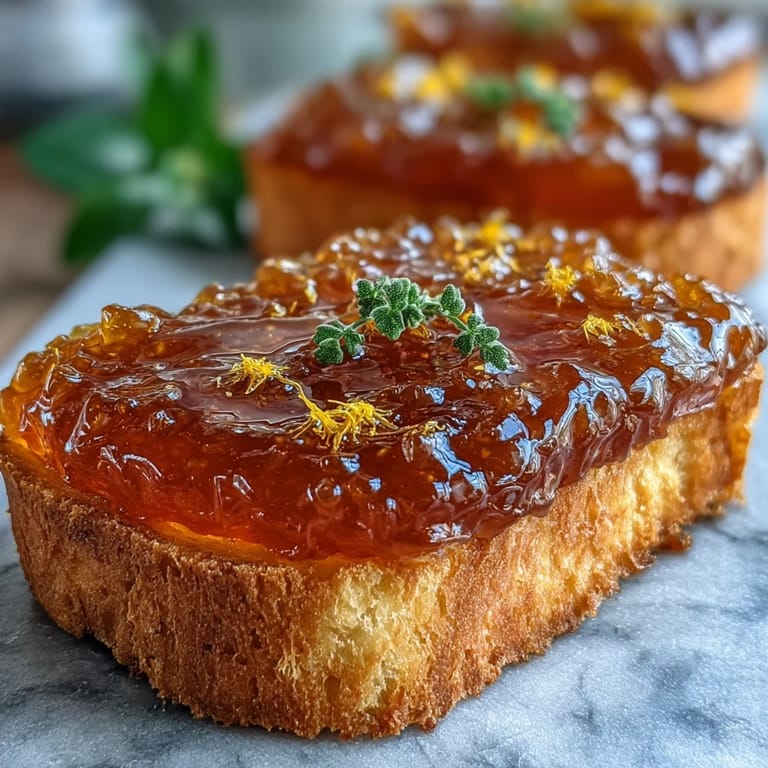
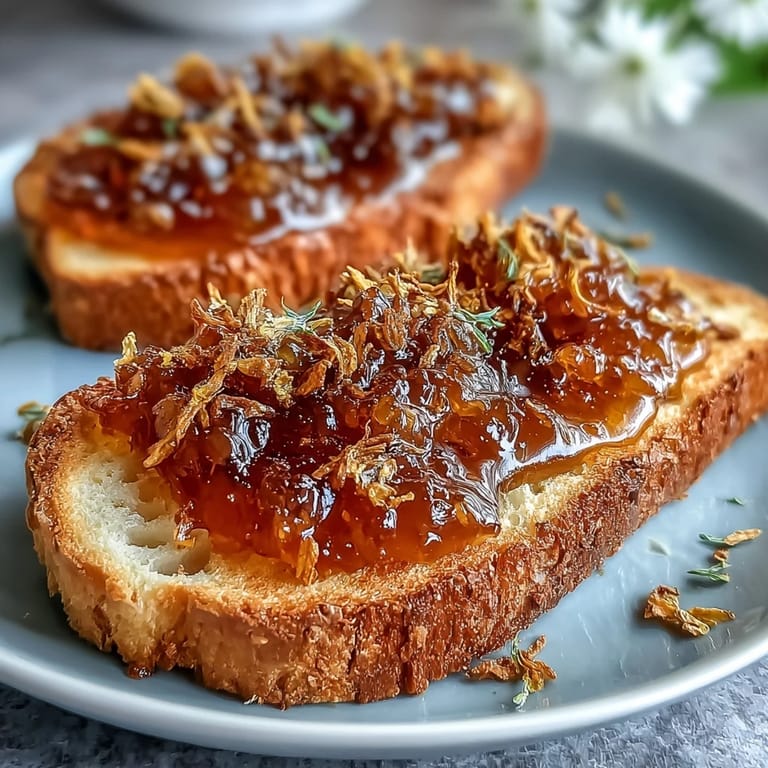
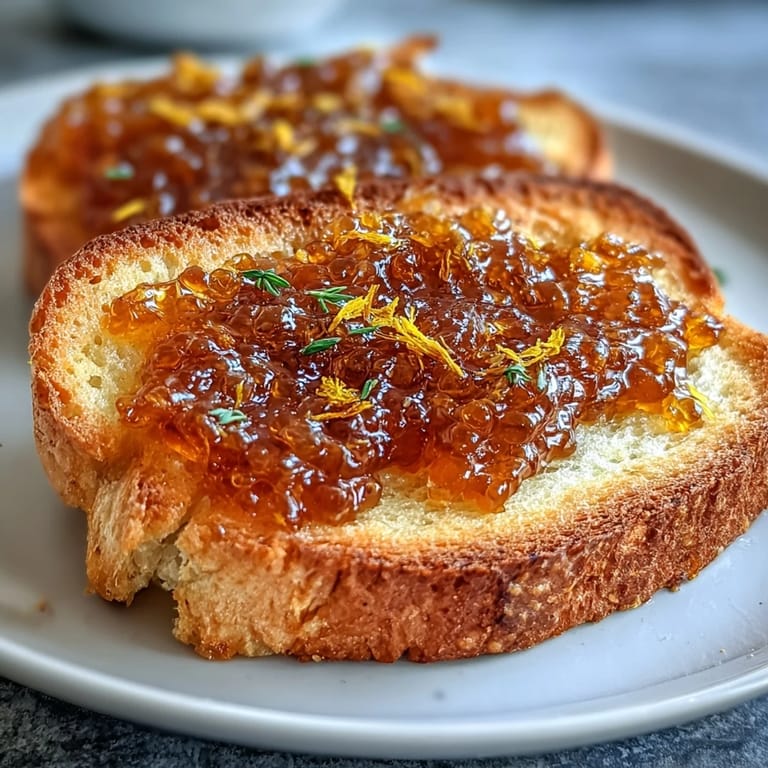
Once cooled, dandelion jelly looks like liquid gold—I've spooned it onto warm toast, swirled it into yogurt, or paired it with shortbread for a flowery treat. Sealed jars last months in the pantry, and each batch holds onto a bit of sunlight from the yard. Sharing with friends or gifting a jar always earns smiles, proving homemade jelly runs deeper than simple sweetness.
- Taste a spoonful before jarring to check flavor or firmness.
- If jelly doesn't set, reboil with a little more pectin.
- Label each jar with the date; freshness fades after about a year.
 Add to Pinterest
 Making dandelion jelly brings spring right into your kitchen, no matter the weather outside. May each golden jar become a little burst of sunshine on your table.
Recipe Questions & Answers
- → What type of dandelion petals should I use?
Use only fresh, pesticide-free yellow petals from dandelions, avoiding any green parts for a sweeter result.
- → How long do I steep the petals?
Steep the petals for at least 4 hours or overnight to maximize the floral flavor in your jelly.
- → Can I add extra citrus flavor?
Yes, a bit of orange zest added with lemon juice gives a pleasant citrus twist to the jelly.
- → What tools are necessary?
A large saucepan, fine mesh sieve or cheesecloth, sterilized jars and lids, and a ladle are required.
- → How long does the jelly take to set?
The jelly usually sets within 24 hours, but if still loose, it can be reboiled with extra pectin.
- → Is this jelly suitable for vegetarian and gluten-free diets?
Yes, it is vegetarian and gluten-free, but always check labels on pectin and sugar if highly sensitive.