 Add to Pinterest
 My sourdough starter had been sitting neglected on the counter for weeks, and I was determined to use that discard for something other than compost. One morning, watching spring rain streak the kitchen window, I thought about British scones I'd eaten years ago—tender and crumbly with that unmistakable tang. That's when it clicked: what if I combined that wild, slightly sour flavor with bright lemon and juicy blueberries? The result was nothing short of revelatory, a scone that tasted like springtime itself.
I made these for my neighbor on a Saturday morning, and she came over expecting something simple. When she bit into one still warm from the oven, she closed her eyes and just stood there. No words, just that contented silence that means you've done something right in the kitchen. She asked for the recipe before finishing the first scone, which basically never happens.
Ingredients
- All-purpose flour (2 1/4 cups): This is your foundation, and measuring by weight matters more than you think—spoon and level, or use a scale to avoid dense scones.
- Granulated sugar (1/4 cup): Just enough sweetness to let the fruit and lemon shine without making these feel like dessert masquerading as breakfast.
- Baking powder and baking soda (1 tablespoon plus 1/2 teaspoon): They work together to give you that tender crumb and gentle lift.
- Fine sea salt (1/2 teaspoon): This amplifies every other flavor and keeps things from tasting one-dimensional.
- Lemon zest (from 1 large lemon): Microplane it fresh right before mixing—bottled zest just doesn't have the same brightness or personality.
- Cold unsalted butter (1/2 cup cubed): Cold is non-negotiable here; warm butter makes dense scones instead of tender ones, so keep it in the freezer until the last moment.
- Sourdough discard (1 cup at room temperature): This is where the magic lives—that tangy, living quality that makes these scones taste like they have a soul.
- Heavy cream (1/4 cup plus more for brushing): Adds richness and helps create a tender crumb that practically melts on your tongue.
- Egg (1 large): Binds everything together and gives you that golden-brown finish when brushed on top.
- Pure vanilla extract (1 teaspoon): A subtle note that rounds out all the bright citrus.
- Fresh lemon juice (2 tablespoons): Squeeze it fresh and tart—this rounds out the sourdough tang beautifully.
- Fresh blueberries (1 cup): Use them straight from the fridge or frozen from the freezer; either way, they'll stay whole and jewel-like instead of bleeding into the dough.
- Coarse sugar (2 tablespoons for topping, optional): This creates a subtle sparkle and slight crunch that catches the light and your teeth in the best way.
Tired of Takeout? 🥡
Get 10 meals you can make faster than delivery arrives. Seriously.
One email. No spam. Unsubscribe anytime.
Instructions
- Set your oven and workspace:
- Preheat to 400°F and line your baking sheet with parchment paper so nothing sticks. This gives you a few minutes to gather your mind and ingredients before things move quickly.
- Whisk the dry team:
- Combine flour, sugar, baking powder, baking soda, salt, and lemon zest in a large bowl, making sure the zest gets distributed evenly so you taste lemon in every bite. Use a whisk to incorporate air and break up any clumps.
- Cut in the cold butter:
- Add your cubed cold butter and work it in with a pastry blender or your fingertips until the mixture looks like coarse sand or breadcrumbs. You want pea-sized pieces of butter throughout—those little pockets create the tender, flaky structure you're after.
- Combine the wet ingredients:
- In another bowl, whisk together sourdough discard, cream, egg, vanilla, and lemon juice until smooth and homogeneous. This mixture should look creamy and unified, no streaks of discard remaining.
- Bring it together gently:
- Pour the wet mixture into the dry ingredients and fold with a rubber spatula just until combined—overmixing is the enemy of tender scones. Stop as soon as you don't see dry flour anymore.
- Fold in the blueberries:
- Gently toss in your blueberries with a light hand, turning the dough just a few times so they distribute without getting crushed. If using frozen, add them straight from the freezer to prevent staining.
- Shape your dough:
- Turn the dough onto a lightly floured surface and pat it into a circle about 1 inch thick and 7 inches across. Don't knead or overwork; let it be rustic and slightly uneven.
- Cut into wedges:
- Use a sharp knife or bench scraper to cut the circle into 8 wedges like a pizza, then transfer each to your parchment-lined baking sheet, spacing them a couple of inches apart so they can puff up. They'll bake together but not touch.
- Finish with a glaze:
- Brush the tops lightly with cream and sprinkle with coarse sugar if you want that textured finish. This step is optional but makes them look like they came from a proper bakery.
- Bake until golden:
- Bake for 18 to 22 minutes, watching until they're deep golden on top and a toothpick inserted into the center comes out clean. The kitchen will smell incredible—a combination of butter, lemon, and that distinctive sourdough tang.
- Cool and serve:
- Let them rest on the baking sheet for 5 minutes before moving to a wire rack so they firm up slightly without becoming dry. Serve warm with butter, jam, or clotted cream.
 Add to Pinterest
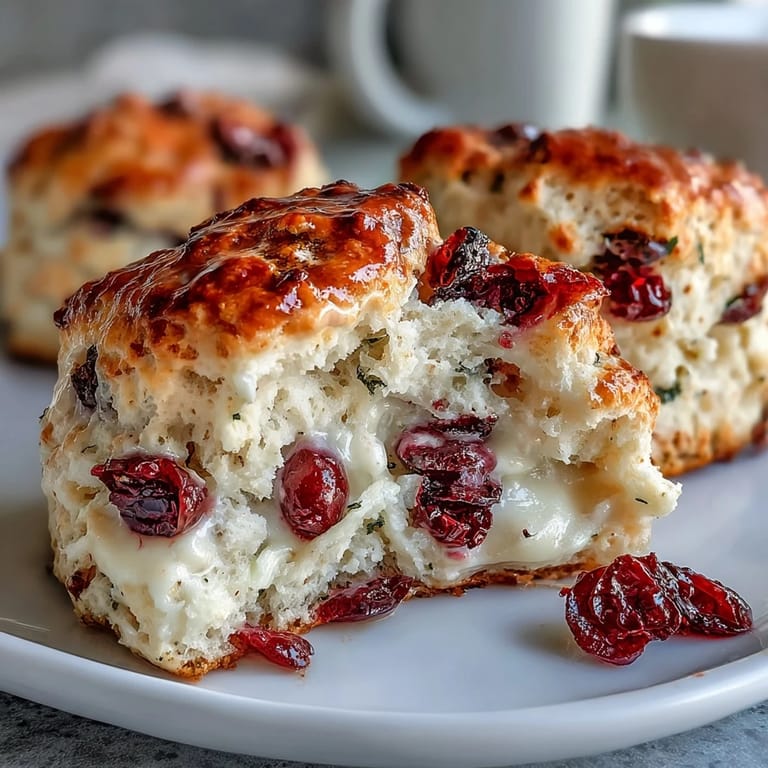
 There's something almost meditative about making scones—the way you cut in cold butter with your fingertips, feeling the texture shift from floury to crumbly. It's one of those recipes where being present matters; you can taste the difference between scones made in a rush and ones made with attention. I've learned that food made with a little space in your mind always tastes better.
The Sourdough Advantage
Using sourdough discard here isn't just clever repurposing—it fundamentally changes the scone's personality. That tangy undertone plays beautifully against the brightness of lemon and the sweetness of blueberries, creating layers of flavor instead of just fruity-sweet breakfast bread. The wild yeast also helps keep these scones tender and moist longer than a traditional scone would stay.
Timing and Temperature Matter
Cold ingredients are your ally here, which is why keeping butter cubed in the freezer until the last second makes a real difference. The oven temperature is equally important—400°F gives you a scone that's golden outside but still has that tender, slightly underbaked texture inside. Too cool and they'll be dense; too hot and they'll brown before the inside sets.
Make Them Your Own
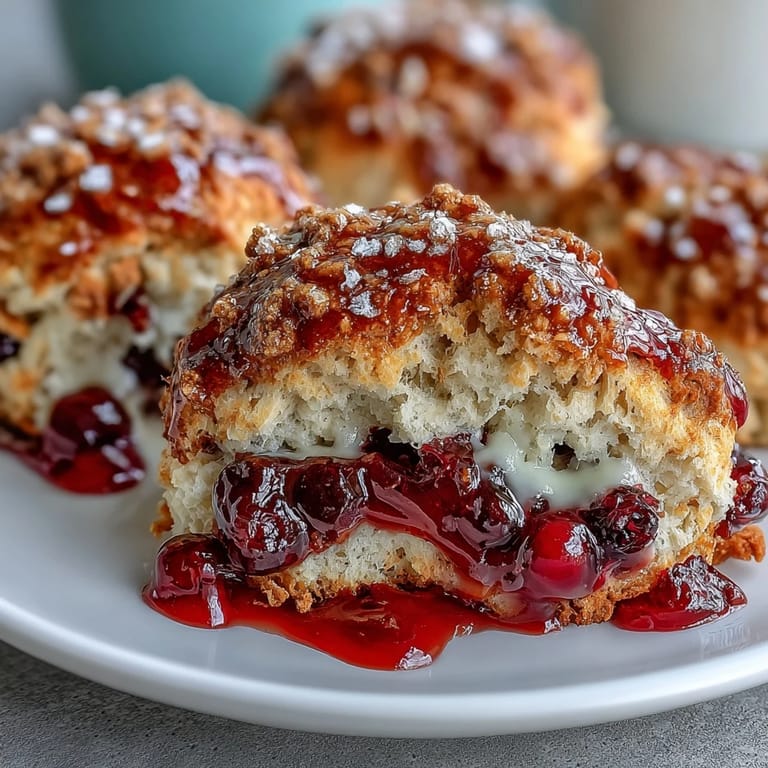
The beauty of this base recipe is how forgiving it is for swaps and variations. Strawberries work beautifully if you want to play with the season, and if you're not a blueberry person, raspberries create a more delicate result. A lemon glaze drizzled over the cooled scones takes them from special breakfast to showstopper, and clotted cream with jam transforms them into an afternoon tea worthy treat.
- Experiment with the zest-to-juice ratio if you want even more lemon intensity—some mornings call for subtle brightness, others for full citrus assault.
- Make these ahead by preparing the dough the night before and baking fresh in the morning; shape them, cover loosely, and refrigerate so they bake up even more tender.
- Store leftovers in an airtight container and reheat gently in a 300°F oven for a few minutes to restore their warmth and texture.
 Add to Pinterest
 These scones became my spring signature, the thing people ask for when they know I've been baking. There's something about offering someone warm food made from your own hands that opens a conversation and a connection.