 Add to Pinterest
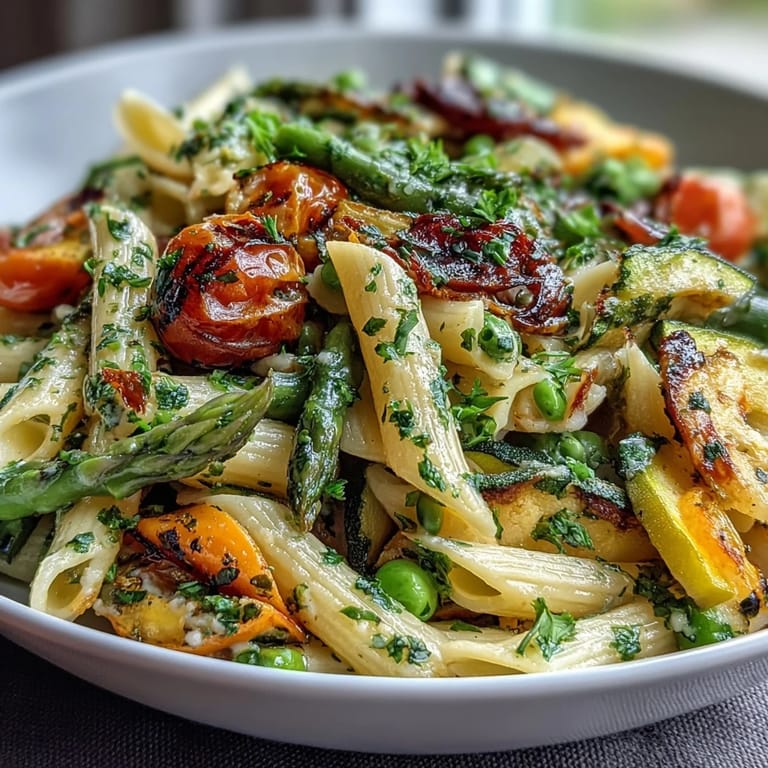
 The first time I cooked Pasta Primavera, the kitchen was alive with the scent of basil and the chatter of friends making impromptu salad bowls beside me. As tender zucchini and peas sizzled, the sunshine streaming through the window made every color pop, reminding me why spring is my favorite season to cook. It always surprises me how quickly this dish comes together, even on a weekday, especially when the vegetables are freshly snipped from the local market. There’s something deeply satisfying about layering humble greens with good pasta and bright lemon, watching the whole pan become more than its parts. On days where I need a meal that’s vibrant yet fuss-free, this recipe delivers every time.
I once served this Primavera to a small group during a breezy April evening, and laughter filled the kitchen as we watched the pasta tumble with veggies and herbs. Someone spilled a handful of peas across the floor, and the air was thick with silly debates about whose favorite vegetable deserved top billing. That night, the recipe moved from ‘just dinner’ to ‘every spring gathering must-have’ in our circle. It felt right that each bowl came topped with a little extra Parmesan and more stories. Sometimes, simple meals anchor whole evenings of joy.
Ingredients
- Pasta: Penne or farfalle holds the sauce beautifully; I go for pasta cooked just al dente for texture.
- Zucchini & Yellow Squash: Their mild flavors and varying shades add spring vibrance, best sliced in uniform half-moons for even cooking.
- Asparagus: Trimmed and cut, asparagus brings tender crunch—avoid overcooking for best results.
- Cherry Tomatoes: Halving these lets their juices merge into the sauce and adds a pop of color.
- Red Bell Pepper: Thin slices brighten the dish; I find roasting a few before sautéing for deeper flavor works well.
- Peas: Fresh or frozen, peas offer little sweet bursts—no need to thaw if brief sautéing.
- Garlic & Shallot: Minced finely, these aromatics lay the foundation for the sauce’s flavor depth.
- Basil & Parsley: Always fresh; I stir them in last to preserve their herbal brightness.
- Lemon Zest & Juice: Zest first: it infuses the whole skillet without overpowering. Juice wakes up all the veggies.
- Olive Oil: Good quality extra-virgin makes a silky sauce; drizzle at the end for extra richness.
- Parmesan Cheese: Grate it yourself to avoid waxy textures; it melds smoothly into the dish.
- Salt, Black Pepper & Red Pepper Flakes: Season generously and taste as you go—red pepper flakes give a friendly kick.
Tired of Takeout? 🥡
Get 10 meals you can make faster than delivery arrives. Seriously.
One email. No spam. Unsubscribe anytime.
Instructions
- Boil Pasta:
- Fill a large pot with salted water and let it roar to a boil, then add pasta. Stir gently and cook until just al dente, then scoop out some cooking water before draining.
- Sauté Aromatics:
- Pour 2 tablespoons olive oil into a roomy skillet, turn on medium heat, and add shallot and garlic. The aroma will tell you when it’s time to add veggies—wait for a light golden shimmer.
- Tender Veggies:
- Toss zucchini, yellow squash, asparagus, and bell pepper into the skillet; stir occasionally so every slice softens evenly. Let the colors deepen but keep the texture crisp, about 4-5 minutes.
- Add Tomatoes and Peas:
- Stir in the cherry tomatoes and peas, letting their juices mingle with the rest. Just a quick cook until tomatoes soften and peas perk up, usually 2-3 minutes.
- Combine Pasta and Veggies:
- Slide cooked pasta into the skillet, mixing gently so nothing breaks. Every piece should be coated in herb-speckled oil and veggies.
- Finish the Sauce:
- Pour in reserved pasta water, sprinkle lemon zest and juice, toss chopped basil and parsley, and drizzle the last olive oil. Season generously—taste and tweak until brightness and salt levels are just right.
- Cheese and Serve:
- Off the heat, fold in Parmesan and watch it melt into creamy pockets. Serve straight away, topped with fresh herbs and more cheese if desired.
 Add to Pinterest
 One spring, I made this dish for a friend who’d had a tough day, and the bright lemon and basil seemed to lift not just the meal but their spirits. Watching the pasta scoop up the glimmering sauce, we paused to appreciate how something so simple could feel so restorative. The meal became a small ritual of comfort and connection that lingered. Food rarely solves everything, but it certainly changes moods.
Making Room For Extra Veggies
In my kitchen, the recipe is never rigid—sometimes I add handfuls of spinach or snap peas based on what’s fresh or left in the fridge. If you’re wary of mixing too many veggies, sauté in batches to keep textures crisp, and never toss in too early. I once swapped in broccoli florets and ended up with a heartier bite that everyone loved.
Choosing The Perfect Pasta Shape
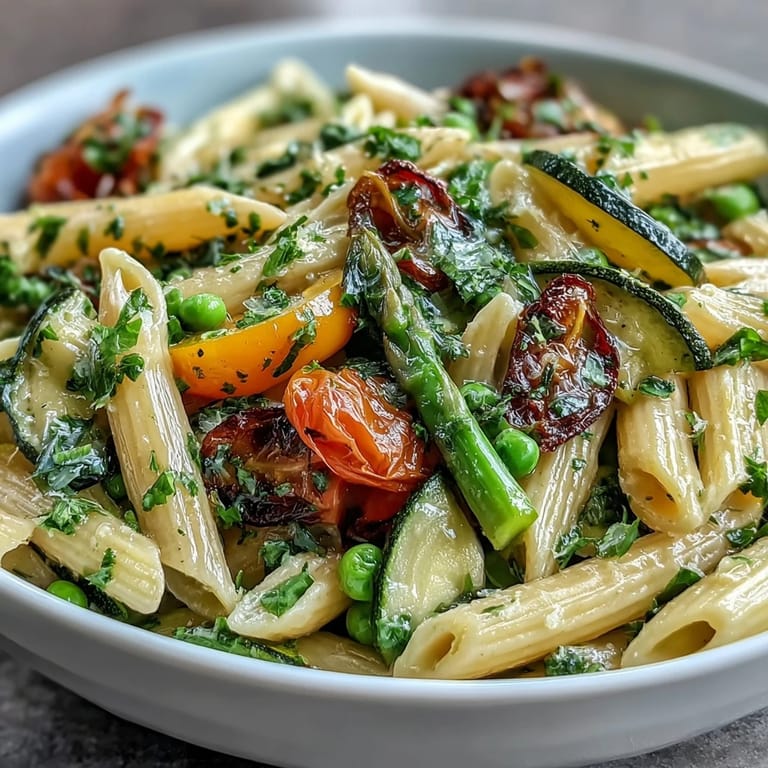
Farfalle gently cradles chunky vegetables, while penne gathers the sauce in its ridges, making each forkful uniquely satisfying. Don’t be afraid to use rigatoni or even linguine if that’s what’s on hand—just adjust the cook time slightly. The shape subtly changes the dish’s character and how it gathers on your plate.
Brightening Up The Sauce
Whenever the sauce feels heavy or flat, I reach for extra lemon juice or a splash of pasta water to revive it. Using really good olive oil adds a glossy finish and rounds out flavors; skip cheap oils as they muddy the taste. Fresh herbs stirred at the very end are essential for keeping everything lively—parsley especially is not just garnish.
- If you have leftover veggies, add them at the end for a bits-and-pieces meal.
- Taste for salt and lemon just before serving; nothing ruins Primavera like a bland plate.
- Let everyone sprinkle their own cheese so flavors stay personal.
 Add to Pinterest
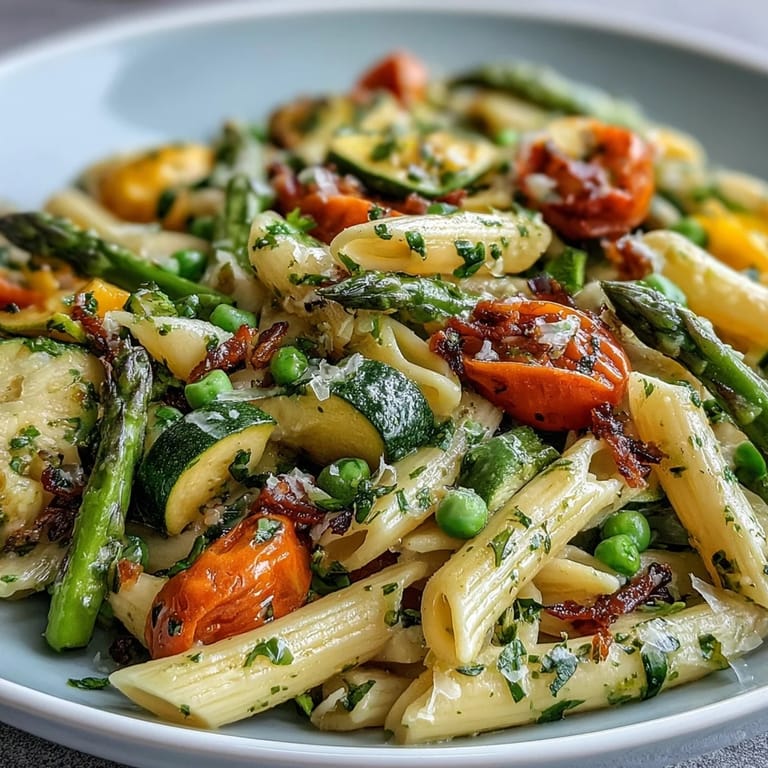
 Making Pasta Primavera is always a small celebration of spring’s colors and flavors. Share it generously, and let conversation flow as easily as the sauce.
Recipe Questions & Answers
- → Can other vegetables be added to this dish?
Yes, feel free to include snap peas, spinach, or any fresh seasonal vegetables to enhance the flavor and texture.
- → What pasta types work best with primavera?
Penne and farfalle are excellent options, as they hold the sauce and mix well with the vegetables, but any short pasta will do.
- → How can I make this dish vegan?
Simply omit Parmesan cheese or substitute it with a plant-based alternative for a vegan-friendly meal.
- → What wine pairs well with this meal?
Try a crisp white wine, such as Pinot Grigio or Sauvignon Blanc, to complement the fresh flavors and herbs.
- → Is this suitable for meal prep?
Yes, leftovers can be enjoyed cold or reheated. Store in an airtight container and add fresh herbs before serving.