 Add to Pinterest
 The first time I made cake donuts at home, I didn't expect them to turn out this good. I'd been buying them from the bakery for years, always convinced that frying donuts was some kind of professional secret. But then a friend casually mentioned she made them in her kitchen on Sunday mornings, and something clicked. Now I can't imagine going back to store-bought, mostly because the kitchen smells incredible while they're frying, and that warm, tender texture right off the cooling rack is something you just can't replicate in a box.
I remember making these for my niece's sleepover and watching her face when she bit into one still warm from the oil. She'd never had a cake donut that soft, and suddenly I was the cool aunt. Now whenever they visit, that's the first thing requested, and honestly, it's become my favorite excuse to turn the kitchen into a donut shop for a couple of hours.
Ingredients
- All-purpose flour (2 1/2 cups): The foundation of your donut, and measuring by weight makes a real difference in texture—too much flour makes them cake-y in the wrong way.
- Granulated sugar (1 cup): This sweetens the dough itself, so don't skip it thinking the glaze will handle all the sweetness.
- Baking powder (2 tsp) and baking soda (1/2 tsp): These are what give cake donuts their signature tender crumb; they work together, not against each other.
- Salt (1/2 tsp) and ground nutmeg (1/2 tsp): The salt brightens everything, and nutmeg adds a warm complexity that people taste without quite knowing what it is.
- Eggs (2 large) and buttermilk (3/4 cup): Buttermilk is the secret to tender donuts; if you don't have it, make a substitute with milk and lemon juice, but don't skip it entirely.
- Unsalted butter (1/4 cup, melted and cooled) and vanilla extract (1 tsp): Melted butter mixes more evenly into the wet ingredients than cold butter ever would.
- Vegetable oil for frying (about 1.5 liters): Use neutral oil—vegetable, canola, or peanut all work, but avoid anything with a strong flavor that might overpower the donuts.
- Powdered sugar (1 cup) and milk (2–3 tbsp): For the glaze, and the milk amount depends on how thick you like yours; start with 2 and add more if needed.
- Cinnamon and sugar for coating: A simple combination that becomes magical when the donuts are still warm and slightly sticky.
Tired of Takeout? 🥡
Get 10 meals you can make faster than delivery arrives. Seriously.
One email. No spam. Unsubscribe anytime.
Instructions
- Combine your dry ingredients:
- Whisk together the flour, sugar, baking powder, baking soda, salt, and nutmeg in a large bowl. Make sure there are no lumps of baking soda hiding at the bottom—this is where a whisk actually matters.
- Mix the wet ingredients:
- In another bowl, beat the eggs first, then whisk in the buttermilk, melted butter, and vanilla. This order helps everything emulsify smoothly.
- Bring it together gently:
- Pour the wet mixture into the dry ingredients and fold them together with as few strokes as possible. Overmixing develops gluten, which makes donuts tough instead of tender—you're looking for a shaggy dough, not a smooth batter.
- Roll and cut:
- Turn the dough onto a lightly floured surface and pat or roll it to about 1/2-inch thickness. A donut cutter makes this easy, but two round cutters work just fine if that's what you have.
- Heat your oil:
- Bring your oil to exactly 350°F in a deep pot—use a thermometer, not guessing. Oil that's too cool makes greasy donuts; oil that's too hot burns the outside before the inside cooks.
- Fry in batches:
- Working with just a few donuts at a time, slip them into the hot oil and fry for about 1–2 minutes per side until they're a light golden brown. They'll puff up a bit and float when they're done on one side.
- Drain and cool slightly:
- Fish them out with a slotted spoon and let them rest on paper towels. They're still cooking a tiny bit from residual heat, so give them a minute.
- Glaze or coat:
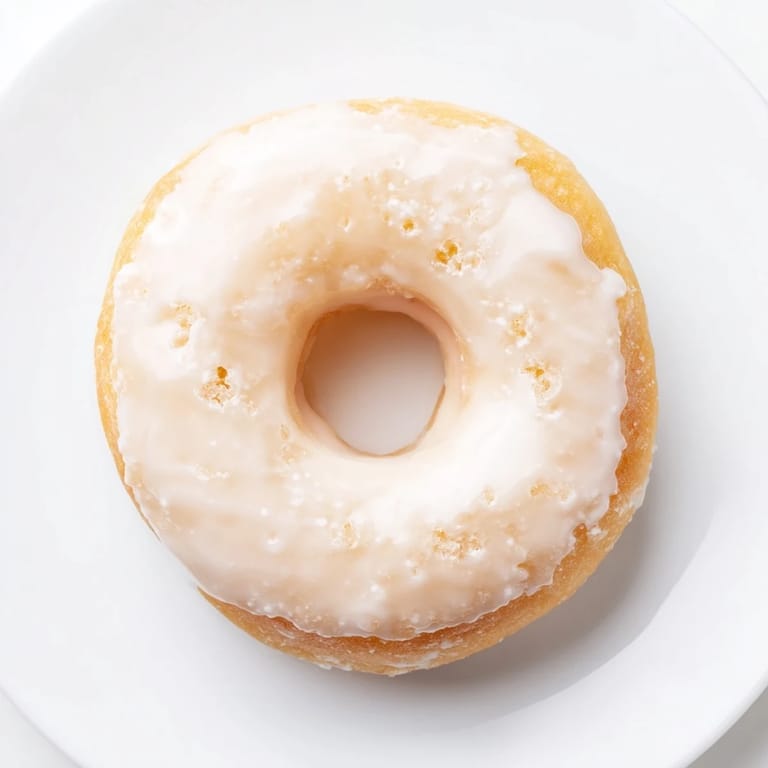
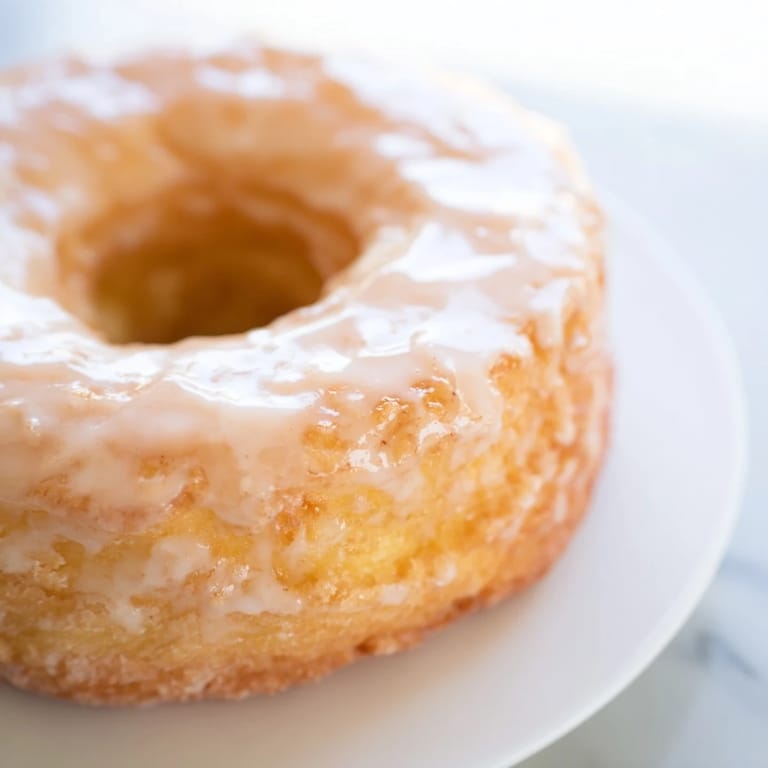
- For the glaze, whisk powdered sugar, milk, and vanilla until it's smooth and pourable, then dip each warm donut and set it on a rack to set. For cinnamon sugar, toss them in the mixture while they're still warm so it sticks.
 Add to Pinterest
 There's something almost meditative about standing at the stove, watching each batch bubble and brown, knowing that in minutes they'll be soft enough to eat with your bare hands. It's the kind of small kitchen magic that feels both impossible and completely simple.
Glazing and Toppings
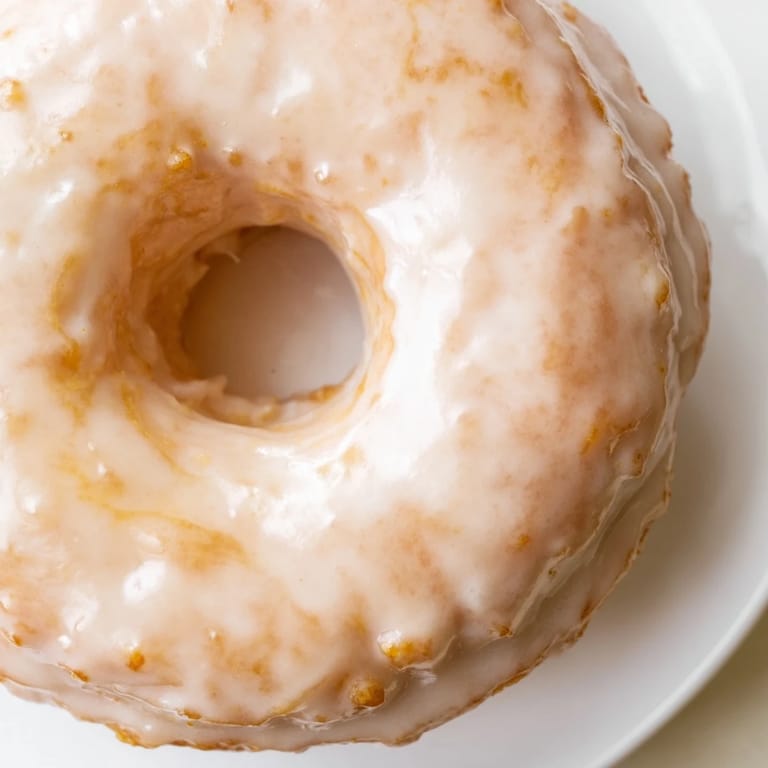
The glaze is forgiving and flexible, which is wonderful because your mood on any given morning determines what happens next. Some days it's a simple vanilla glaze, other days you're adding cocoa powder for chocolate, or a pinch of maple extract for something different. I've learned that dipping the donuts while they're still warm makes the glaze set faster and stick better, and setting them on a wire rack instead of a plate lets any extra glaze drip off gracefully instead of pooling underneath.
Storage and Serving
Fresh donuts are best the same day, still warm if you can manage it, but they'll keep in an airtight container for a day or two without losing too much of their tender quality. I've found that reheating them gently in a 300°F oven for a few minutes brings back some of that just-made softness. If you're planning ahead, you can make the dough the night before and fry it in the morning, which actually gives you a small time advantage.
Variations and Customizations
Once you've made these once, you start seeing endless possibilities. Sour cream can substitute for buttermilk if that's what's in your fridge, and the donut holes that come from your cutter shouldn't be wasted—fry them separately for sweet little bites. I've experimented with adding almond extract, swapping brown sugar for half the white sugar, and even dipping half of a donut in chocolate while the other half gets cinnamon sugar for a breakfast that feels fancy but took the same amount of effort.
- For chocolate glaze, whisk in 2 tablespoons of unsweetened cocoa powder and add a splash more milk to keep it pourable.
- Double the cinnamon sugar coating for people who love that warm spice flavor as much as you do.
- Don't forget that donut holes fry faster than full donuts and need only 30–45 seconds per side.
 Add to Pinterest
 Making cake donuts at home is one of those small kitchen wins that feels disproportionately rewarding. Once you taste them warm from your own kitchen, store-bought suddenly feels like a compromise.
Recipe Questions & Answers
- → What gives these donuts their soft texture?
The combination of buttermilk, eggs, and a gentle mix of dry ingredients creates a tender, cakey crumb inside the donuts.
- → How should I fry the donuts for best results?
Heat vegetable oil to 350°F (175°C) and fry the donuts for 1-2 minutes per side until golden brown for a crisp outside and moist inside.
- → Can I make the glaze thicker or thinner?
Adjust the milk amount in the powdered sugar glaze to achieve your desired consistency, thicker for coating, thinner for a light drizzle.
- → Is there a way to add a chocolate flavor?
Yes, add 2 tablespoons of unsweetened cocoa powder to the glaze for a rich chocolate finish.
- → Can I substitute buttermilk in the batter?
Sour cream can be used as a substitute for buttermilk to maintain moisture and tang in the batter.