 Add to Pinterest
 There's something about the smell of butternut squash roasting that fills a kitchen with this golden warmth that makes everything feel like autumn, even when it's not. My neighbor knocked on the door one October afternoon asking what I was making, and when I told her it was just soup, she looked disappointed until I handed her a bowl with a drizzle of cream and those toasted pumpkin seeds on top. That one bowl changed how she thought about weeknight cooking, and now it's become the thing I make whenever someone needs comfort in a ceramic mug.
I made this soup for the first time when my mom was visiting and complaining about the cold she couldn't shake, and watching her face when that first spoonful hit—the way the cinnamon and nutmeg seemed to warm her from the inside—reminded me that some of the best things we cook aren't about impressing anyone, they're just about showing up for people we care about.
Ingredients
- Butternut squash (1 large, about 2 lbs, peeled, seeded, cubed): The star of the show—roasting it brings out a natural sweetness that makes the whole soup sing.
- Yellow onion (1 medium, chopped): This builds the savory foundation; don't skip it or rush the cooking.
- Garlic cloves (2, peeled): Added late in the sauté so it stays fragrant and doesn't turn bitter.
- Carrot (1 medium, peeled and chopped): Adds a gentle sweetness that rounds out the spice profile beautifully.
- Celery (1 stalk, chopped): The quiet hero that brings depth without demanding attention.
- Olive oil (2 tbsp): Use good oil here—it matters for flavor and helps the squash caramelize.
- Unsalted butter (2 tbsp, optional): Skip it if you're vegan, but if you use it, the soup gains a silky richness that's hard to replicate.
- Vegetable broth (4 cups, low sodium preferred): Low sodium lets you taste the squash instead of fighting salt.
- Ground cinnamon (1/2 tsp): This spice is what makes people ask for your recipe—measure it carefully or it becomes the only thing you taste.
- Ground nutmeg (1/4 tsp): A little goes a long way; nutmeg can overpower if you're heavy-handed.
- Black pepper (1/2 tsp): Freshly ground if you can manage it, though any pepper works.
- Kosher salt (1 tsp, or to taste): Taste as you go because every vegetable broth brand seasons differently.
- Heavy cream or coconut milk (1/4 cup for serving): The final touch that makes everything feel luxurious; use whichever matches your dietary needs.
- Toasted pumpkin seeds (for garnish): They add a subtle nuttiness and keep things interesting textually.
- Fresh thyme leaves (for garnish): A small sprinkle feels fancy but takes zero extra effort.
Tired of Takeout? 🥡
Get 10 meals you can make faster than delivery arrives. Seriously.
One email. No spam. Unsubscribe anytime.
Instructions
- Get your oven ready:
- Preheat to 400°F and line a baking sheet with parchment paper so cleanup becomes someone else's problem (spoiler: it's still your problem, but parchment helps).
- Roast the squash:
- Toss your cubed butternut squash with 1 tablespoon olive oil, a pinch of salt, and pepper, then spread it out in a single layer. Roast for 25–30 minutes until the edges turn golden and caramelized—this is where the magic happens, so don't skip this step or rush it.
- Build the aromatics:
- While the squash does its thing, heat the remaining olive oil and butter in a large pot over medium heat. Add your chopped onion, carrot, and celery, letting them soften for 5–7 minutes until they're translucent and fragrant.
- Add garlic:
- Once your vegetables are soft, add the peeled garlic cloves and cook for just 1 minute—you want them to release their perfume without turning bitter.
- Combine everything:
- Add the roasted butternut squash, vegetable broth, cinnamon, nutmeg, salt, and pepper to the pot. Bring it to a boil, then lower the heat and let it simmer gently for 10–15 minutes so all the flavors get acquainted.
- Blend until smooth:
- Using an immersion blender, puree everything until the soup reaches that velvety texture that makes people sigh with satisfaction. If you're using a countertop blender, work in careful batches so nothing splatters.
- Taste and adjust:
- This is your moment to be honest—add more salt, spice, or broth if something feels off. Every vegetable broth tastes different, so trust your palate.
- Serve with intention:
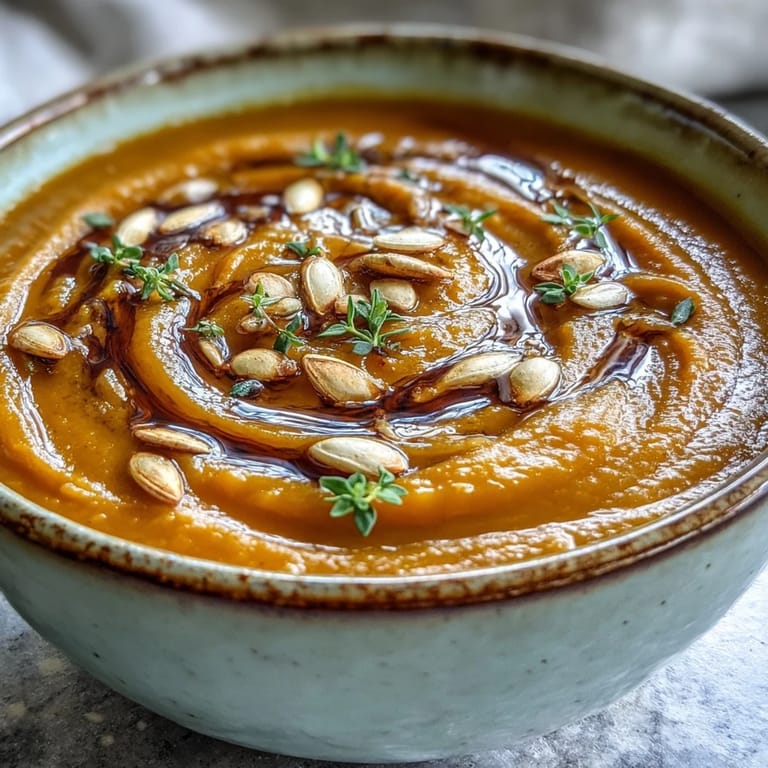
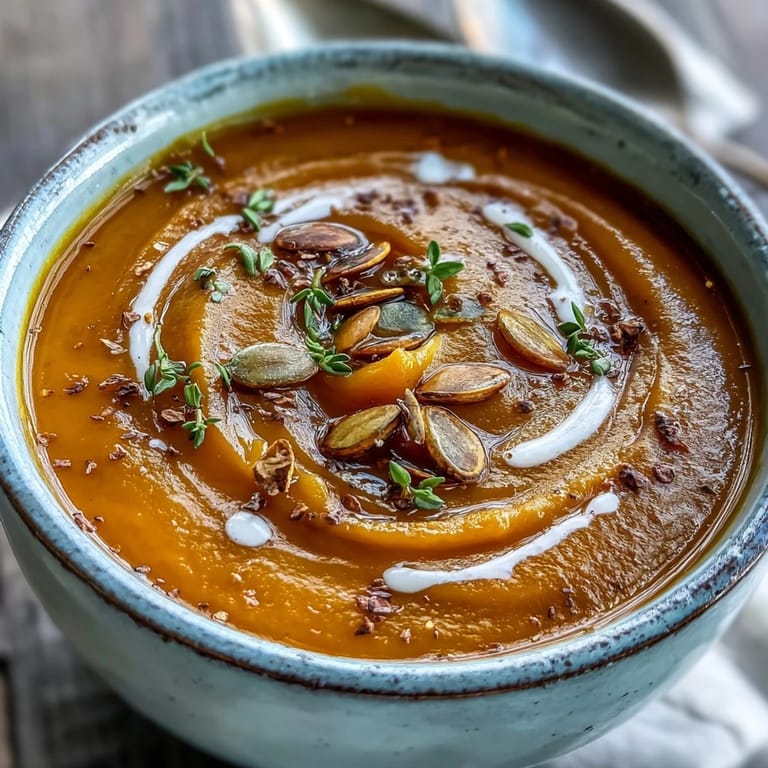
- Ladle into bowls, drizzle with cream or coconut milk, scatter pumpkin seeds on top, and add a few fresh thyme leaves if you have them.
 Add to Pinterest
  Add to Pinterest
 There was this one evening when my roommate came home exhausted from back-to-back meetings, didn't say anything, just sat down, and I watched this soup transform her entire mood—shoulders dropped, breathing slowed, and suddenly she was talking about her day instead of just enduring it. That's when I understood that cooking doesn't have to be complicated to be meaningful.
Why Roasting Changes Everything
The difference between steamed squash and roasted squash is the difference between telling someone about a beautiful sunset and actually watching one. When you roast, the natural sugars caramelize and concentrate, giving the soup a depth that feels almost like you've been simmering it for hours when really you've only invested 45 minutes of hands-off time. The edges that turn crispy and golden aren't mistakes—they're flavor gold.
Making It Your Own
This soup is a foundation, not a rulebook, and the best part about that is you can play with it without fear of failure. I've added a pinch of cayenne on days when I wanted something with a little edge, stirred in curry powder when I was feeling adventurous, and even topped it with crispy sage because someone mentioned it offhandedly and it stuck with me. The spices here are suggestions, starting points for a conversation between you and what you're craving.
Storage and Serving Wisdom
This soup keeps beautifully in the refrigerator for about four days, and it freezes even better—I usually portion it into glass containers because watching them thaw on busy nights feels like past-me doing future-me a real favor. It also thickens slightly when cold, so if you're reheating, add a splash of broth or milk to get back to that silky consistency you had fresh. Serve it with crusty bread, because bread is how soup becomes a complete meal instead of just a bowl.
- Cool the soup completely before freezing so it doesn't raise the temperature of your whole freezer.
- Label your containers with the date because otherwise you'll stare at mystery soup wondering if it's from last month or last year.
- This makes enough for four generous servings or six if you're stretching it with bread, so plan accordingly.
 Add to Pinterest
  Add to Pinterest
 This soup doesn't ask for much, just a little attention and maybe someone to share it with. The kind of recipe that makes a kitchen feel like home.
Recipe Questions & Answers
- → Can I make this soup ahead of time?
Yes, this soup stores beautifully in the refrigerator for up to 5 days. Reheat gently on the stovetop, adding a splash of broth if needed to adjust consistency.
- → How do I make this soup vegan?
Simply use only olive oil instead of butter and substitute coconut milk for heavy cream. The soup will remain rich and creamy with these plant-based alternatives.
- → Can I use pre-cut butternut squash?
Absolutely! Pre-cut squash saves significant prep time. Just toss with olive oil and roast as directed, though cooking time may vary slightly depending on cube size.
- → What can I serve with this soup?
Crusty bread, grilled cheese sandwiches, or a fresh green salad pair wonderfully. The soup also works beautifully as a starter for a larger meal.
- → Can I freeze butternut squash soup?
Yes, this soup freezes well for up to 3 months. Cool completely before transferring to freezer-safe containers, leaving some space for expansion. Thaw overnight in the refrigerator before reheating.
- → How do I adjust the thickness of the soup?
Add more vegetable broth to thin the soup, or simmer uncovered to thicken. You can also add less broth initially and adjust after blending to reach your preferred consistency.