 Add to Pinterest
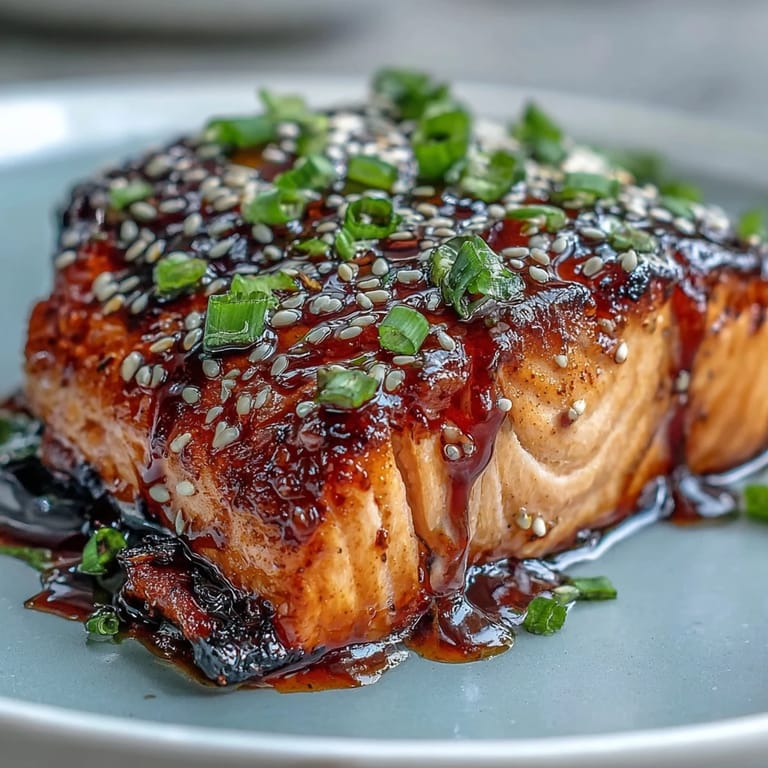
 My neighbor knocked on the door one Tuesday evening with a bottle of maple syrup from her orchard, asking if I could use it. That night, I had salmon thawing and a half hour before guests arrived, so I grabbed soy sauce from the pantry and started whisking together what would become this glossy, caramelized glaze. Twenty minutes later, four people were silently eating, forks barely pausing, and I realized how a simple impulse had created something genuinely special.
I made this for my partner during that rainy spring when we were both tired of takeout boxes. The aroma of sesame and ginger rising from the skillet shifted something in the kitchen—suddenly the evening felt deliberate instead of rushed. He asked for seconds before I'd even finished plating.
Ingredients
- Salmon fillets (4, about 150g each): Skin-on holds moisture better and crisps beautifully, but skinless works if that's what you have; buy the freshest you can find and cook it the same day.
- Pure maple syrup (3 tbsp): Real maple syrup caramelizes differently than pancake syrup and carries a deeper flavor that makes the glaze taste sophisticated.
- Low-sodium soy sauce (3 tbsp): Low-sodium lets you taste the actual fish instead of overwhelming salt, which matters when everything else is so flavorful.
- Rice vinegar (1 tbsp): It's gentler than white vinegar and adds shine to the glaze without harsh edges.
- Fresh lime juice (1 tbsp): Bottled lime juice changes the flavor noticeably; fresh squeezes in brightness that ties everything together.
- Sesame oil (1 tsp): Use toasted sesame oil for depth, and measure carefully because it's intense—too much and it overpowers.
- Garlic and ginger (2 cloves minced, 1 tsp grated): Fresh ginger makes the glaze feel alive; mincing garlic small means it distributes evenly instead of hitting you in chunks.
- Jasmine or basmati rice (1 cup): Jasmine rice absorbs the glaze beautifully while staying fluffy; basmati works if that's your preference.
- Vegetables (broccoli, snap peas, bell pepper): These stay crisp when you don't overcook them, which takes discipline but transforms the texture of the whole plate.
Tired of Takeout? 🥡
Get 10 meals you can make faster than delivery arrives. Seriously.
One email. No spam. Unsubscribe anytime.
Instructions
- Start the rice first:
- Rinse the rice under cold water until it runs clear, which helps each grain stay separate. Combine with water, bring to a boil, then lower the heat, cover, and let it steam gently for 12 minutes—the steam does the work, so resist peeking.
- Build your glaze:
- Whisk maple syrup, soy sauce, rice vinegar, lime juice, sesame oil, minced garlic, and grated ginger in a small bowl until the maple syrup dissolves into the liquid. The glaze should smell sweet and deep, not just salty.
- Season and sear the salmon:
- Pat the salmon fillets dry with a paper towel, season lightly with salt and pepper, then heat oil in your skillet over medium-high heat until it shimmers. Place salmon skin-side down if you have skin, and listen for the sizzle—that means the pan is hot enough to crisp it.
- Flip and glaze:
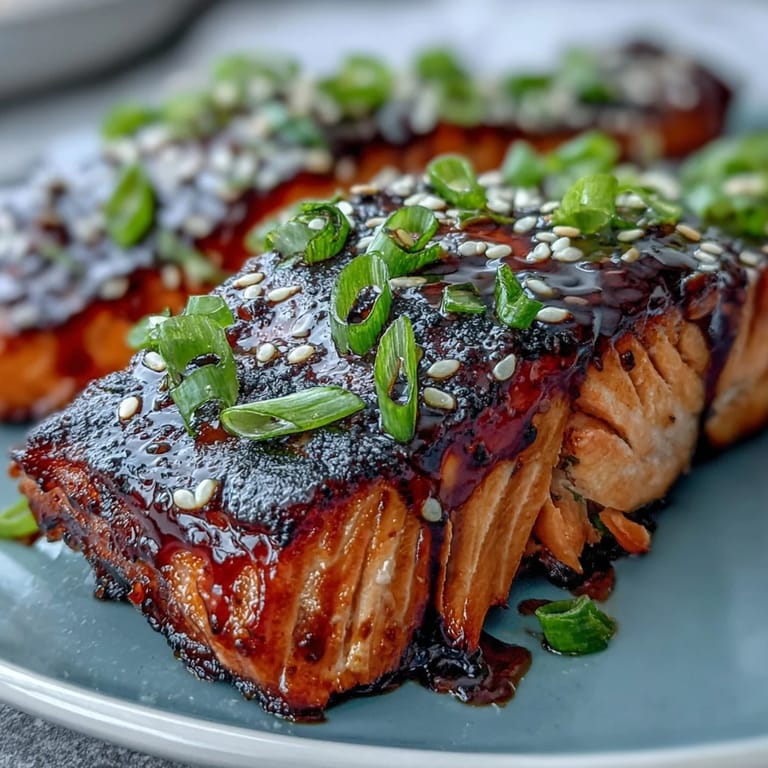
- After three minutes, gently flip the fillets, then pour the glaze over the top and let it bubble around the fish. Spoon the glaze over the salmon repeatedly for the next three to four minutes, watching it thicken and turn glossy—this is where the magic happens.
- Cook vegetables while salmon finishes:
- In another pan or steamer, cook the broccoli, snap peas, and bell pepper just until they brighten in color and stay slightly firm to the bite. Season with a pinch of salt and set aside.
- Assemble and serve:
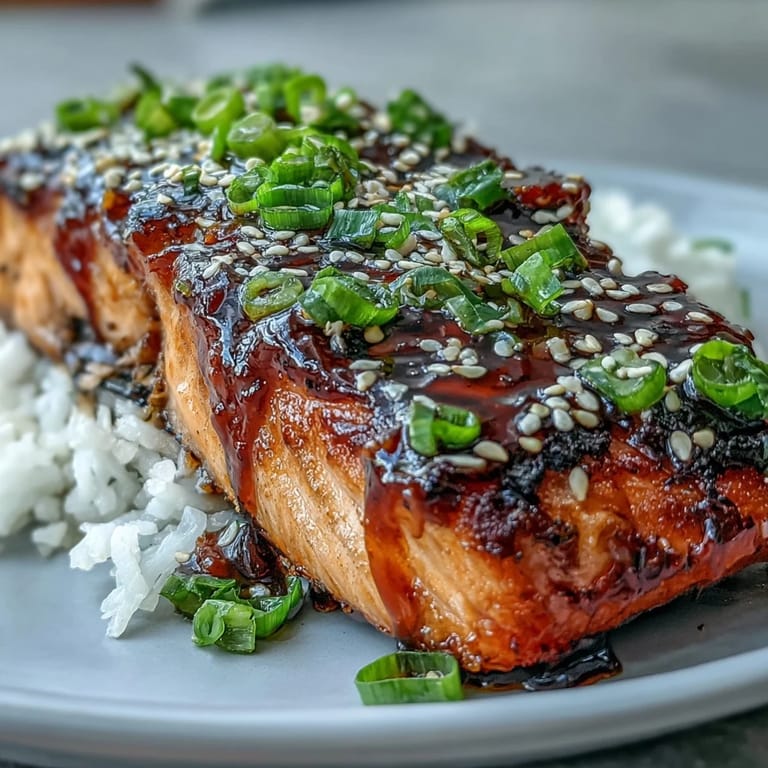
- Divide rice into bowls, arrange vegetables around it, then top with the glazed salmon and any extra glaze from the pan. Finish with green onions, sesame seeds, and a lime wedge for squeezing.
 Add to Pinterest
 There's a moment when you first smell the maple and soy caramelizing in the pan that tells you this meal is going to land. My daughter, who usually picks at fish, looked surprised at how much she ate.
Making It Your Own
This glaze is forgiving and adaptable. I've added a tiny pinch of red pepper flakes when I wanted heat, swapped honey for the maple syrup on nights when that's what I had, and thrown in cubed pineapple to the glaze on a whim—it dissolved into the sauce and added unexpected sweetness.
Timing and Prep
The entire dish lives in that 20-minute window because every element cooks fast. Mince your garlic and grate your ginger before you turn on the stove, slice your vegetables, and have your rice rinsed and ready—those five minutes of prep make the cooking part feel calm instead of frantic. I learned this the hard way on a night when I was dicing garlic while the salmon was already in the pan.
Why This Works as a Weeknight Meal
Weeknight dinners need to taste like you tried without feeling like you spent three hours cooking, and this hits that balance perfectly. The glaze does the heavy lifting—it makes simple salmon feel special—and everything else is just assembly and timing. One night my sister came over complaining about a hard day, and by the time we sat down with bowls of this, something about the meal had shifted her mood.
- Prep everything before you start cooking so you're not scrambling mid-sear.
- If you're nervous about salmon, start with a thicker fillet because it's harder to overcook.
- Make extra glaze if you're feeding people who like generous spoonfuls over their rice.
 Add to Pinterest
 This dish has become my reliable answer when I want to cook something that feels thoughtful without being complicated. Every time I make it, someone asks for the recipe.
Recipe Questions & Answers
- → Can I use other types of fish?
Yes, this glaze works beautifully with other fish like cod, halibut, or even trout. Adjust cooking time slightly based on thickness.
- → How do I know when salmon is done?
Salmon is cooked when it flakes easily with a fork and reaches an internal temperature of 145°F (63°C). The flesh should turn opaque but still remain moist.
- → Can I make the glaze ahead?
Absolutely. Whisk the glaze ingredients together and store in an airtight container in the refrigerator for up to a week. Bring to room temperature before using.
- → What vegetables work best?
Broccoli, snap peas, and bell pepper provide great color and crunch. You can also substitute asparagus, carrots, snow peas, or bok choy based on preference.
- → Is this dish freezer-friendly?
The cooked salmon and rice can be frozen separately for up to 3 months. However, the glazed texture is best enjoyed fresh. Reheat gently to avoid drying out the fish.
- → How can I make it spicier?
Add red pepper flakes, sriracha, or a dash of chili garlic sauce to the glaze. Start with a small amount and adjust to your desired heat level.